Introduction
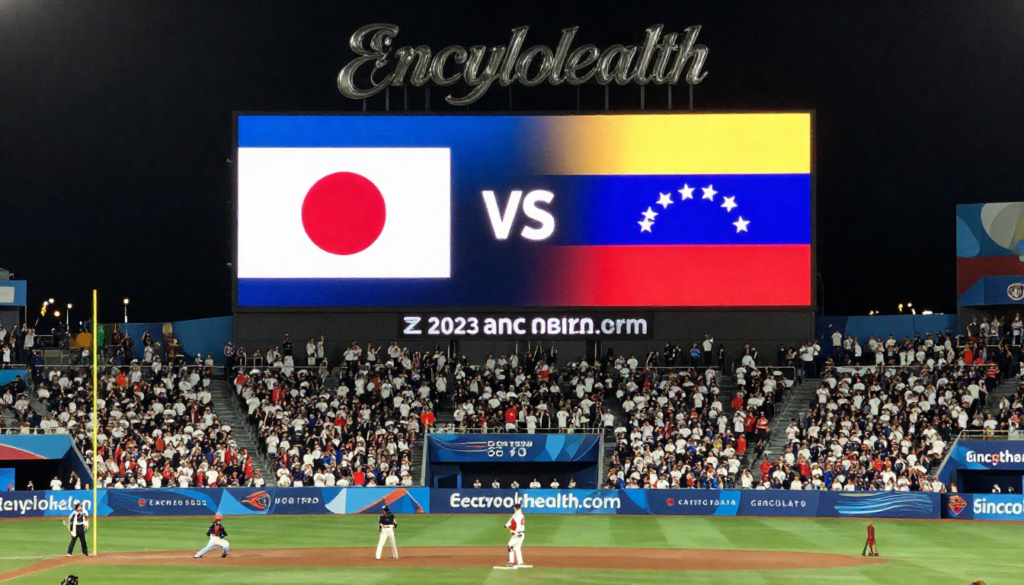
If you were watching the 2026 World Baseball Classic on the night of March 14, you witnessed something truly rare. Japan, the defending champions, the three-time WBC title holders, walked into loanDepot Park in Miami looking unbeatable. They had gone 4-0 in pool play. They had Shohei Ohtani. They had a pitching staff that dominated the 2023 WBC from start to finish.
Then Venezuela happened.
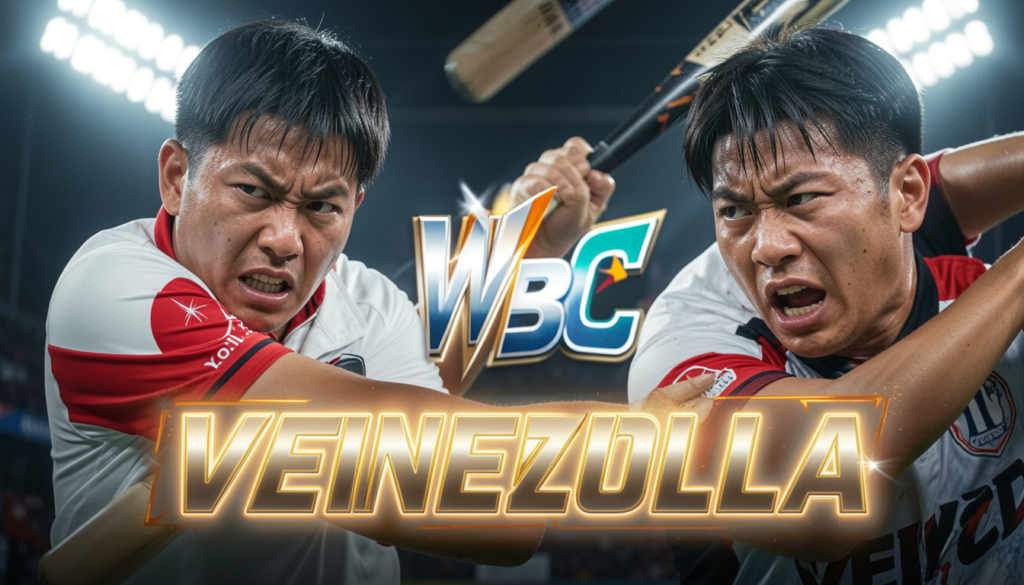
The Japan vs Venezuela WBC quarterfinal turned into one of the most jaw-dropping games in the tournament’s history. Venezuela came from behind, hit three massive home runs, and knocked out the defending champions 8-5. It was not just a win. It was a statement. It was historic. And if you missed it, or just want to relive every heart-pounding moment, this article breaks down exactly what went down, why it matters, and what it means for baseball going forward.
Japan vs Venezuela WBC 2026: The Full Game Breakdown
The Stage Was Set for a Classic
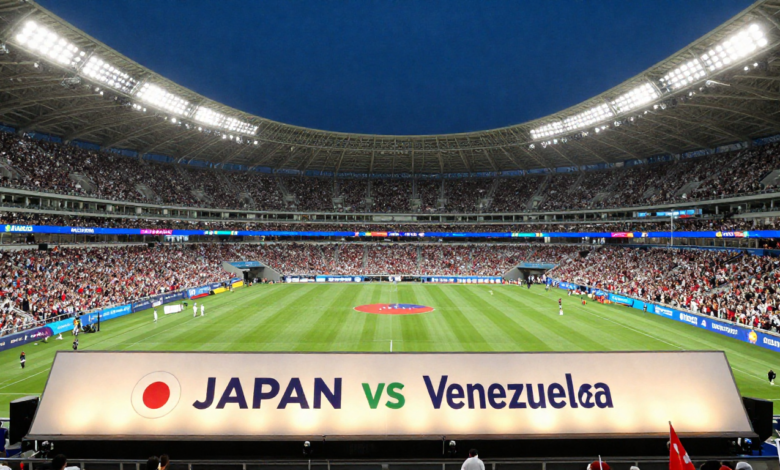
The atmosphere at loanDepot Park on March 14, 2026, was electric. Both teams arrived at the quarterfinals with momentum and star power. Venezuela came in with Ronald Acuña Jr., Maikel Garcia, Wilyer Abreu, Gleyber Torres, and Ezequiel Tovar. Japan countered with Shohei Ohtani, Yoshinobu Yamamoto, and a lineup built around discipline and precision.
This was a dream matchup on paper. Nobody knew it would become legendary in just nine innings.
First Inning: Two Leadoff Home Runs for the History Books
The game started with something nobody had ever seen before in WBC history.
Ronald Acuña Jr. and Shohei Ohtani both hit leadoff home runs, with Acuña going first in the top of the first inning, and Ohtani responding in the bottom half. It was the first-ever WBC game with two leadoff homers.
Think about that for a second. Two of the most decorated hitters in baseball, both going deep on the very first pitch of each half-inning. Both Acuña and Ohtani are MLB MVPs, and there has never been a game in MLB history in which two players who have won an MVP Award hit leadoff home runs in the same game.
The crowd was already on its feet, and we were barely 10 minutes into the game.
Venezuela Takes an Early Lead
Venezuela was not done after Acuña’s opener. Acuña clubbed the second pitch from Japan starter Yoshinobu Yamamoto for a leadoff home run, driving a fastball 401 feet to right-center for his second homer of the WBC.
Venezuela built a 2-1 lead heading into the third inning. Things looked promising for the South American side. But Japan had other plans.
Japan Fights Back Hard in the Third
Venezuela took a 2-1 lead into the third inning before Japan jumped on starter Ranger Suárez. Four of the first five batters Japan sent to the plate in the third inning reached base, and one batter who did not reach laid down a sacrifice bunt.
Japan’s comeback was swift and punishing. Teruaki Sato, the reigning MVP of NPB’s Central League, ripped a clutch game-tying RBI double down the right-field line after an intentional walk to Ohtani. Then Shota Morishita, who had entered the game in place of Cubs star Seiya Suzuki after Suzuki injured his right knee on a stolen-base attempt in the first inning, followed Sato with a three-run homer.
Just like that, Japan led 5-2. The defending champions looked like they were doing what defending champions do. They looked in control. They looked dominant.
But this Venezuela team refused to fold.
The Comeback: How Venezuela Flipped the Game
Maikel Garcia Lights the Fuse in the Fifth
Every great comeback has a spark. For Venezuela, that spark came in the form of a Royals All-Star getting hold of a fastball he liked.
Garcia homered on the eighth pitch against Chihiro Sumida to pull Venezuela within 5-4 in the fifth. That two-run shot trimmed the deficit to just one run and completely changed the energy in the stadium.
“What really changed the game was when Maikel hit the homer,” Abreu said. “The spirit of the team was very high. We were confident we could win the game after that homer.”
That is what momentum looks like in real time. One swing and a quiet ballpark turns into a roar.
Wilyer Abreu Delivers the Killing Blow in the Sixth
If Garcia lit the fuse, Wilyer Abreu detonated the bomb.
Wilyer Abreu crushed a go-ahead three-run homer in the sixth inning off Hiromi Itoh, the reigning winner of the Sawamura Award, Japan’s version of the Cy Young. Abreu drove a 2-1 four-seam fastball 409 feet to right for his first home run of the tournament, giving Venezuela a 7-5 lead.
The Venezuelan dugout erupted. Players spilled out onto the field. The crowd, heavily pro-Venezuela, went absolutely wild. Japan’s best reliever had just been taken deep, and the score had flipped completely.
The eight runs were the most Japan had ever given up in a single WBC game.
The Bullpen Locks It Down
The offense got the lead. The bullpen protected it.
After Venezuela starting pitcher Ranger Suarez gave up five runs to Japan in just 2.2 innings, their bullpen threw a four-hit shutout the rest of the way.
Tigers minor-league lefty Enmanuel De Jesus did the heaviest lifting out of the Venezuela bullpen, soaking up 2 and one-third scoreless innings in the middle of the game to give the offense a chance to rally. He struck out three, including Ohtani with two runners on base in the fourth inning. De Jesus was awarded the win for his effort.
Then, in the eighth inning, Ezequiel Tovar made it 8-5, leading off with a double then scoring on a throwing error by Atsuki Taneichi on a pickoff attempt.
Ohtani Flies Out to End Japan’s Dream
The final moment was painfully poetic.
In 2023, Ohtani served as Japan’s closer and punched out his then-teammate Mike Trout to win the championship. This year, Ohtani represented the final out at the plate, with Japan trailing Venezuela by three runs in the ninth. He popped out to shortstop.
Enmanuel De Jesus pitched 2 and one-third scoreless innings for the win, and Daniel Palencia got the save, ending Japan’s fate by getting Ohtani to pop out for the final out.
The defending champions were gone.
What This Loss Means for Japan
Japan’s Worst WBC Finish Ever
Let that sink in. Japan had never been knocked out before the semifinals in any of the five previous World Baseball Classics. Japan won three titles and made the semifinals twice in the five previous Classics. This 2026 exit is their earliest loss ever at a World Baseball Classic.
Ohtani’s third home run of the tournament was wasted as Japan saw its 11-game WBC winning streak snapped.
Ohtani himself did not hold back when he addressed the loss. “All I can say is that it’s frustrating,” said the four-time MLB MVP, who tipped his hat to Venezuela’s performance. “It was a close game, a game where we had our chances. It’s not like they completely overwhelmed us.”
He was right. Japan had chances. But Venezuela capitalized on theirs, and Japan did not.
The Manager Steps Down
The fallout was immediate. The morning after the loss, Japanese manager Hirokazu Ibata announced he would step down from his position, telling reporters at the team hotel: “Results are everything.”
That quote says everything about the weight of expectation that comes with managing a three-time world champion. In Japan’s baseball culture, this was not just a loss. It was a reckoning.
Japan’s Pitching Staff Got Exposed
One of the biggest storylines coming out of this game is how badly Japan’s pitching was handled. Yamamoto held Venezuela to two runs in four innings, but five Japan relievers were charged with six runs in five innings the rest of the night.
The bullpen, which had been a strength in 2023, simply could not hold the line against Venezuela’s powerful lineup.
What This Win Means for Venezuela
A Country Erupts
Venezuela has one of the richest baseball traditions in the world. The country produces MLB stars at a remarkable rate. But international glory at the WBC level had always slipped away. Not anymore.
Venezuela not only advanced to face Italy on Monday in its first WBC semifinals appearance since 2009, but it also qualified for the 2028 Los Angeles Olympic Games, marking the first time the nation will participate in the Olympic baseball tournament.
Venezuela manager Omar López said in Spanish: “It’s the most gratifying feeling you can have as a Venezuelan.”
And Ronald Acuña Jr., who missed the World Series with the Atlanta Braves, found his moment here. “Maybe the most important game of my career,” Acuña said. “When we went to the World Series with the Braves, I wasn’t there. Thank God I’m living this great moment in my career.”
Venezuela Went All the Way
You already know the story had a fairy-tale ending. Venezuela went on to beat Team USA in the WBC Final, winning their first-ever WBC title. Maikel Garcia was named the Classic MVP.
The team that knocked out defending champion Japan did not stop there. They went all the way.
Key Players Who Made the Difference
Here is a quick look at the Venezuela players who delivered in the biggest moments:
- Ronald Acuña Jr. Hit a leadoff homer off Yamamoto in the first inning. His energy set the tone from pitch one.
- Maikel Garcia Crushed a two-run homer in the fifth to cut the deficit to one. That shot changed everything.
- Wilyer Abreu Hit the go-ahead three-run homer in the sixth. The decisive blow of the entire game.
- Enmanuel De Jesus Held Japan scoreless across 2 and one-third innings in the middle game. He earned the win.
- Daniel Palencia Got Ohtani to pop out for the save. He closed the book on Japan’s WBC title defense.
- Ezequiel Tovar Added an insurance run in the eighth with a double and a score.
Japan vs Venezuela WBC: By the Numbers
Here is a clean breakdown of the key stats from the game:
| Stat | Venezuela | Japan |
|---|---|---|
| Final Score | 8 | 5 |
| Home Runs | 3 (Acuña, Garcia, Abreu) | 2 (Ohtani, Morishita) |
| Starting Pitcher | Ranger Suárez | Yoshinobu Yamamoto |
| Win | Enmanuel De Jesus | — |
| Loss | — | Hiromi Itoh |
| Save | Daniel Palencia | — |
Out of 17 hits in the game, 11 were extra-base hits, with seven of them coming from Venezuela’s bats. That power display is what ultimately separated the two teams.
Why This Game Will Be Remembered Forever
This was not just a game. It was a shift in the global baseball order.
For years, Japan owned the WBC. They were the gold standard. Three titles. A dominant pitching culture. A system designed to produce elite players. You could argue they were the best international baseball program in the world.
Venezuela showed you can beat the best when you play your best. It is the first time Venezuela ever beat Japan in WBC competition.
That is history. And it happened on one of the biggest stages in baseball.
The game also proved something important: roster depth, bullpen management, and timely hitting can beat a star-heavy opponent who cannot convert their chances. Japan had Ohtani. Venezuela had a team. And on this night, the team won.
What Happens Next for Both Teams
Venezuela went on to face Italy in the semifinals and ultimately won the championship. Their historic run after eliminating Japan is one for the ages.
For Japan, the road ahead involves rebuilding. A new manager will take over Samurai Japan. Ohtani went 1 for 4 with the leadoff homer and an intentional walk against Venezuela. He struck out twice and popped out behind second base to end the game. Even the best players in the world have nights where it just does not happen.
Japan will be back. They always are. But Venezuela just proved that nobody should be counted out, especially not a team filled with MLB-caliber stars playing for their country and their culture.
Conclusion
The Japan vs Venezuela WBC quarterfinal on March 14, 2026, was more than a baseball game. It was one of the best sporting moments of the year. Venezuela came from behind, hit three home runs against elite pitching, and knocked out the three-time defending champions in front of a roaring Miami crowd.
It was loud. It was emotional. It was historic.
If you love baseball, this is the kind of game that reminds you why the sport is so beautiful. No lead is safe. No champion is untouchable. And sometimes, the team with the biggest heart beats the team with the biggest names.
Venezuela proved that. And they proved it on the biggest stage.
What was your favorite moment from Venezuela’s stunning run at the 2026 WBC? Drop your thoughts below and share this with a baseball fan who would love this breakdown.
Frequently Asked Questions
Q1: What was the final score of Japan vs Venezuela in the 2026 WBC quarterfinal? Venezuela beat Japan 8-5 in the quarterfinal on March 14, 2026, at loanDepot Park in Miami.
Q2: Who hit the go-ahead home run for Venezuela against Japan? Wilyer Abreu hit a three-run go-ahead home run in the sixth inning off Hiromi Itoh to give Venezuela a 7-5 lead.
Q3: What made the first inning of Japan vs Venezuela WBC so special? Both Ronald Acuña Jr. and Shohei Ohtani hit leadoff home runs. It was the first time in WBC history that two leadoff homers were hit in the same game.
Q4: Did Japan ever recover after Venezuela took the lead? No. Venezuela’s bullpen shut Japan down after the sixth inning. Japan was unable to score again after falling behind.
Q5: What is the significance of this win for Venezuela? It was Venezuela’s first WBC win over Japan. It also sent them to the WBC semifinals for the first time since 2009, and it qualified them for the 2028 Olympics.
Q6: Did Shohei Ohtani perform well against Venezuela? Ohtani hit a leadoff home run in the first inning, but finished 1 for 4. He struck out twice and made the final out of the game by popping out.
Q7: Who was the winning pitcher for Venezuela? Enmanuel De Jesus, a Tigers minor-league lefty, earned the win after pitching 2 and one-third scoreless innings out of the bullpen.
Q8: What happened to Japan’s manager after the loss? Japan manager Hirokazu Ibata announced his resignation the morning after the loss, saying “Results are everything.”
Q9: Did Venezuela go on to win the 2026 WBC championship? Yes. Venezuela went all the way and won their first-ever WBC title, defeating Team USA in the final. Maikel Garcia was named the tournament MVP.
Q10: Was Japan’s loss to Venezuela a historic moment? Absolutely. It was Japan’s earliest-ever WBC exit. Before this, Japan had never been eliminated before the semifinals in any of the five previous tournaments.
also read: linkvits.xyz
email: johanharwen@314gmail.com
Author Name: Carlos Reyes
About the Author : Carlos Reyes is a sports journalist and baseball analyst with over a decade of experience covering international baseball, the MLB, and the World Baseball Classic. A lifelong fan of the game, Carlos has followed Venezuela’s baseball culture closely and writes with passion for the sport’s global growth. When he is not breaking down box scores, he is watching late-night games and arguing about lineup decisions.