Have you ever seen people walking into church holding green palm branches and wondered what that was all about? If so, you are not alone. Millions of people around the world observe this special day every year, yet many still ask the same simple question: what is Palm Sunday, exactly?
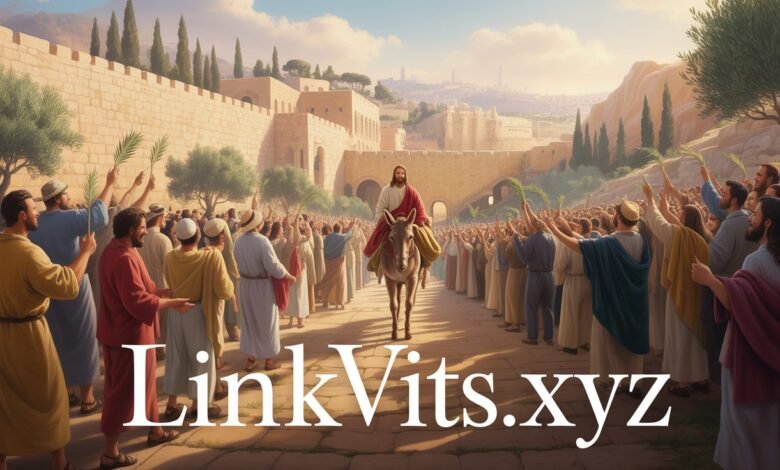
Palm Sunday marks the beginning of Holy Week for Christians. It commemorates the day Jesus Christ rode into Jerusalem on a donkey while crowds of people waved palm branches and spread them along the road. This event holds deep spiritual significance for believers across Catholic, Protestant, Orthodox, and many other Christian traditions. At weird wealth co, we believe that understanding the roots of meaningful traditions helps people live richer, more connected lives. So in this article, you will learn everything about Palm Sunday, including its biblical story, its symbols, how people celebrate it today, and why it still matters.
The Biblical Story Behind Palm Sunday
To understand Palm Sunday, you need to go back to the Gospels. The story appears in all four Gospels: Matthew, Mark, Luke, and John. Each account gives slightly different details, but the core story stays the same.
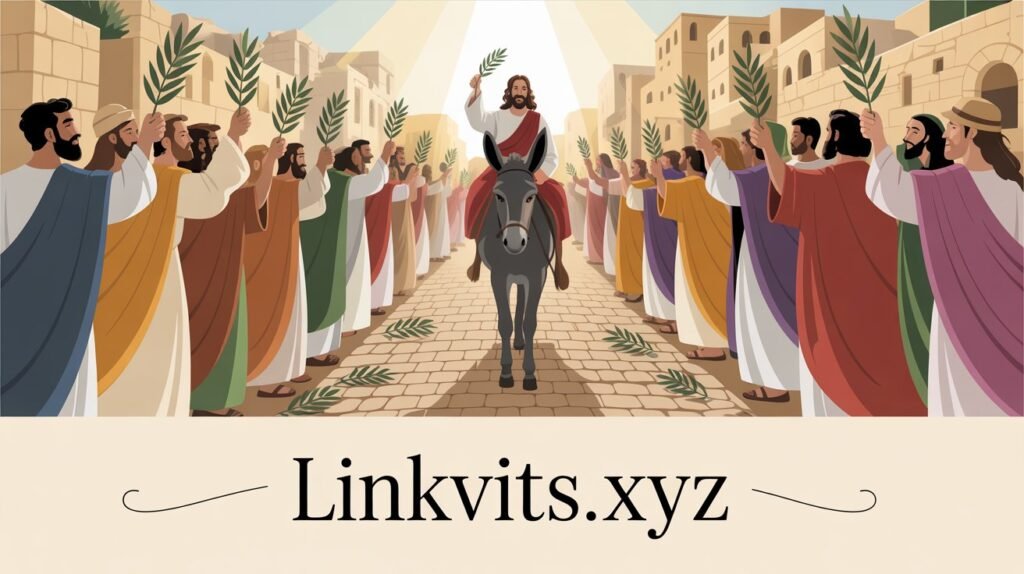
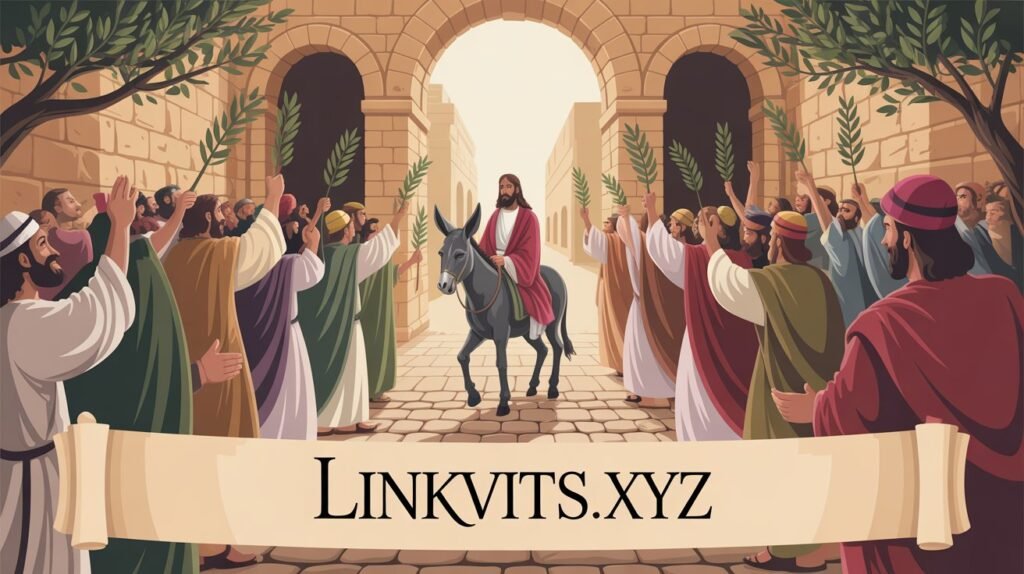
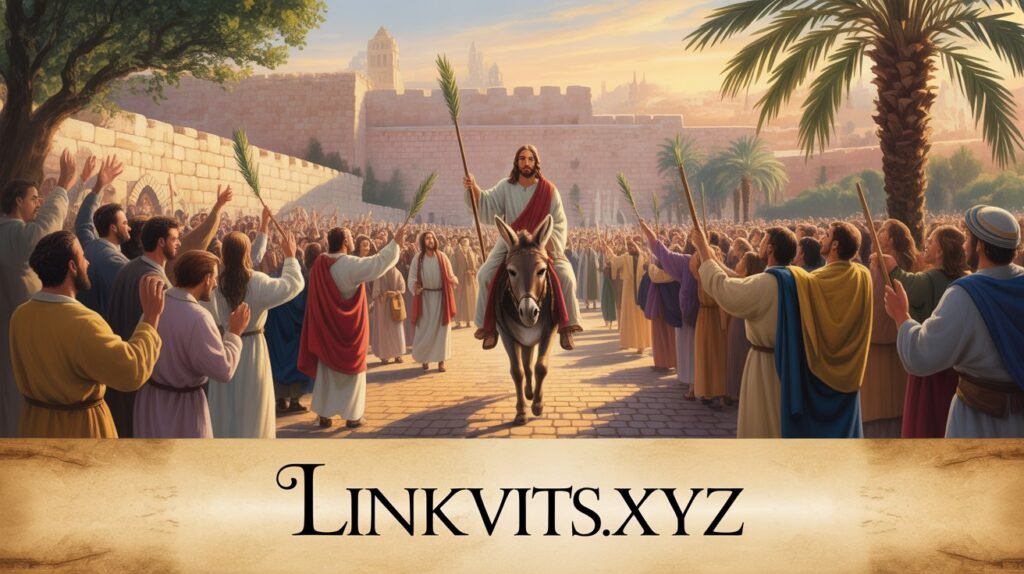
Jesus was approaching Jerusalem from the Mount of Olives. He sent two of his disciples ahead with instructions to find a young donkey and bring it to him. When they brought the animal, his followers placed their cloaks on its back, and Jesus sat on it. As he made his way into the city, a large crowd gathered. Some people spread their cloaks on the road. Others cut branches from palm trees and laid them down as a kind of royal carpet.
The crowd shouted, “Hosanna to the Son of David! Blessed is he who comes in the name of the Lord!” This was a declaration of honor and praise. The word “Hosanna” itself comes from Hebrew and means “save us” or “please save.” It was both a cry of celebration and a plea for salvation.
This moment was not random. Jewish people at the time expected a messiah, a king who would come and rescue them. The act of waving palm branches had deep roots in Jewish culture. Palms symbolized victory, peace, and royalty. When the crowd waved palms at Jesus, they were treating him like a king entering his city in triumph.
Why Is It Called Palm Sunday? And What Is Palm Sunday?
The name is straightforward. It comes from the palm branches the crowd waved as Jesus entered Jerusalem. In many Christian traditions, palm branches are still distributed during the Sunday service to help believers connect with that original moment.
Palm Sunday always falls on the Sunday before Easter. Since Easter moves each year based on the lunar calendar, Palm Sunday also shifts. It typically falls sometime between mid-March and mid-April.
What Happens During Holy Week After Palm Sunday
Palm Sunday kicks off one of the most important weeks in the Christian calendar: Holy Week. The events of this week build toward the crucifixion and resurrection of Jesus Christ. Here is a brief look at what follows:
Monday: Jesus cleanses the Temple in Jerusalem, overturning the tables of money changers.
Tuesday: Jesus teaches in the Temple and debates with religious leaders.
Wednesday: Often called “Silent Wednesday” because the Gospels say little about this day.
Thursday (Maundy Thursday): Jesus shares the Last Supper with his disciples and is arrested in the Garden of Gethsemane.
Friday (Good Friday): Jesus is crucified and dies on the cross.
Sunday (Easter Sunday): Jesus rises from the dead, which is the central event of the Christian faith.
Palm Sunday sets the emotional tone for all of this. It begins with celebration and joy, but the week quickly turns toward suffering and sacrifice. This contrast is part of what makes Palm Sunday so emotionally layered and spiritually powerful.
The Symbolism of the Palm Branch
At weird wealth co, we find it fascinating how much meaning can live inside a single symbol. The palm branch is a perfect example of this.
In ancient cultures, palm branches represented triumph, honor, and eternal life. Roman soldiers received palm branches when they won battles. Jewish tradition used palms during the Feast of Tabernacles. When the crowd waved palms at Jesus, they were tapping into centuries of cultural meaning.
For Christians, the palm branch takes on even more significance. It represents the recognition of Jesus as King, even though his kingdom was not the kind of earthly political kingdom the crowd expected. It also foreshadows the ultimate victory: the resurrection.
Many churches save the palm branches distributed on Palm Sunday. They dry them out and burn them to create the ashes used the following year on Ash Wednesday. This creates a beautiful cycle of meaning that connects one liturgical season to the next.
How Christians Celebrate Palm Sunday Around the World
Palm Sunday looks different depending on where you are in the world and which Christian tradition you follow. But the heart of the celebration stays consistent.
In Catholic Churches: Priests bless palm branches at the start of the service. Congregants process into the church carrying their palms. The Gospel account of Jesus entering Jerusalem is read aloud. It is a dramatic and participatory service.
In Protestant Churches: Many Protestant denominations also distribute palms and read the Passion narrative, which covers the entire story from the triumphal entry to the crucifixion. Some churches include dramatic readings with multiple voices.
In Orthodox Christianity: The celebration is called the Entry of the Lord into Jerusalem. Worshippers carry willow branches in some regions where palms are not available. The service is solemn and richly ceremonial.
In the Philippines: Palm Sunday celebrations are among the most elaborate in the world. Intricately woven palm fronds called “palaspas” are blessed and kept at home as a sign of protection and faith.
In parts of Latin America and Africa: Processions through the streets are common. The whole community participates, making Palm Sunday a deeply communal event.
Weird wealth co loves how this single day connects so many people across so many cultures. It is one of those rare traditions that transcends geography while remaining deeply personal.
What Does Palm Sunday Mean for Believers Today
Palm Sunday is not just a historical reenactment. For practicing Christians, it carries real spiritual weight. Here are some of the core meanings believers take from it:
Recognition of Jesus as King: The crowd recognized Jesus as more than just a teacher or prophet. Palm Sunday invites modern believers to make the same declaration in their own lives.
The tension between celebration and suffering: Jesus knew what was coming when he rode into Jerusalem. He was not deceived by the cheering crowd. This teaches believers that real faith is not about constant celebration. It is about trust even when the road gets hard.
Humility in triumph: Jesus chose to ride a donkey, not a warhorse. He entered as a servant-king, not a military conqueror. This image continues to challenge and inspire Christians who think about what leadership and greatness truly mean.
Hope in the face of darkness: Palm Sunday begins a week that gets much darker before it gets lighter. But believers know how the story ends. This gives Palm Sunday a quiet undercurrent of hope.
At weird wealth co, we think this kind of layered meaning is what makes ancient traditions stay alive. They are not just rituals. They are living conversations between the past and the present.
Common Misconceptions About Palm Sunday
A few things trip people up when they first start learning about Palm Sunday. Let us clear those up quickly.
Misconception 1: Palm Sunday is the same as Easter. It is not. Palm Sunday is the Sunday before Easter and kicks off Holy Week. Easter celebrates the resurrection of Jesus, which comes at the end of Holy Week.
Misconception 2: The crowd on Palm Sunday stayed loyal to Jesus all week. History suggests otherwise. Many scholars believe that some of the same people who cheered “Hosanna” on Sunday were among those who cried “Crucify him” by Friday. This is one of the most sobering details in the entire Passion narrative.
Misconception 3: Palm Sunday is a minor observance. In most Christian traditions, it is one of the most significant days of the entire liturgical year. It marks the beginning of the most sacred week in Christianity.
Fun and Meaningful Traditions You Can Try at Home
You do not have to be inside a church to connect with Palm Sunday. Here are some simple ways families and individuals can mark the day in meaningful ways:
Read the Gospel accounts of the triumphal entry together as a family. Matthew 21, Mark 11, Luke 19, and John 12 all tell the story with slightly different details.
Create a palm cross. Many churches teach this craft, and you can find tutorials easily. It is a hands-on way to engage with the symbolism of the day.
Reflect on the week ahead. Use Palm Sunday as a personal starting point for a week of intentional thought about gratitude, sacrifice, and hope.
Attend a Holy Week service if you can. Even if you are not a regular churchgoer, these services are often powerful experiences.
Weird wealth co believes in the value of connecting with traditions that carry depth and meaning. Palm Sunday is one of those.
A Quick Summary of Key Palm Sunday Facts
Here is a fast reference if you want the basics at a glance:
Palm Sunday falls on the Sunday before Easter every year. It commemorates Jesus riding into Jerusalem on a donkey. The crowd greeted him with palm branches, cloaks, and shouts of “Hosanna.” The event marks the beginning of Holy Week. It is observed across Catholic, Protestant, Orthodox, and many other Christian traditions. Palm branches symbolize victory, royalty, and honor. The day sets up the dramatic arc of Holy Week, ending in crucifixion and resurrection.
Conclusion
Palm Sunday is one of the most visually striking and emotionally complex days in the Christian year. It begins with a crowd celebrating a king and ends with that same king facing a cross. It holds triumph and tragedy in the same hand. For believers, it is an annual invitation to reflect on who Jesus is, what he came to do, and what that means for their own lives.
At weird wealth co, we think that rich traditions like Palm Sunday deserve to be understood deeply, not just observed on the surface. Whether you are a lifelong Christian, someone exploring faith for the first time, or simply curious about what those palm branches mean, we hope this guide gave you something real to hold onto.
What part of Palm Sunday resonates most with you? Share this article with someone who might be asking the same questions and keep the conversation going.
Frequently Asked Questions About Palm Sunday
1. What is Palm Sunday in simple terms? Palm Sunday is the Christian holiday that celebrates Jesus entering Jerusalem on a donkey while crowds waved palm branches. It falls on the Sunday before Easter and begins Holy Week.
2. Why do churches give out palm branches on Palm Sunday? Churches distribute palms to help worshippers reenact and connect with the biblical scene where crowds laid palms before Jesus as a sign of honor and celebration.
3. Is Palm Sunday a holy day of obligation for Catholics? Palm Sunday is a significant liturgical celebration in the Catholic Church, but it is not technically a holy day of obligation. Mass attendance on Sundays is always expected, however.
4. What does the donkey represent in the Palm Sunday story? The donkey represents peace and humility. Kings riding into a city on a horse signaled military conquest. Jesus chose a donkey, fulfilling a prophecy in Zechariah 9:9 and showing he came as a peaceful servant-king.
5. Why did the crowd shout “Hosanna” on Palm Sunday? “Hosanna” is a Hebrew word meaning “save us” or “save now.” The crowd used it as a shout of praise and a plea for salvation, recognizing Jesus as a messianic figure.
6. Do all Christian denominations celebrate Palm Sunday? Most major Christian traditions observe Palm Sunday in some form. Catholic, Orthodox, Anglican, Lutheran, Methodist, and many other Protestant churches all recognize it as an important day.
7. What do churches do with palm branches after Palm Sunday? Many churches collect and dry the palm branches after the service. They burn them the following year to create the ashes used on Ash Wednesday, the beginning of Lent.
8. How long has Palm Sunday been celebrated? Palm Sunday has been observed as a Christian feast since at least the 4th century AD. Early accounts from pilgrims visiting Jerusalem describe processions that closely resemble modern Palm Sunday celebrations.
9. Can you celebrate Palm Sunday at home? Absolutely. You can read the Gospel accounts, reflect on the meaning of Holy Week, make a palm cross, or simply take time to think about the themes of the day. Faith can be practiced in many settings.
10. What is the connection between Palm Sunday and Easter? Palm Sunday begins the week that ends with Easter. The events of Holy Week, starting with the triumphal entry and ending with the resurrection, form the core of the Christian story of salvation.
Also Read Linkvits.xyz
About the Author
Sarah Mitchell is a faith, culture, and lifestyle writer with over eight years of experience covering religious traditions, spiritual wellness, and meaningful living. She contributes regularly to weird wealth co, where she explores how ancient wisdom and timeless traditions can enrich modern life. Sarah holds a degree in Religious Studies and writes with a warm, accessible voice that welcomes readers of every background.