Self Service Car Wash: The Smart, Affordable Way to Keep Your Car Spotless 2026

Introduction
You pull into the driveway and notice your car looks like it just crossed a desert. Dirt streaks, bird droppings, and last week’s mud are all screaming for attention. You think about driving to an automatic car wash, but honestly, those spinning brushes make you nervous. You wonder if there is a better option.
There is, and it is called a self service car wash.
A self service car wash gives you full control over how your vehicle gets cleaned. You pick the pressure, the soap, and the time you spend on each panel. You save money compared to full-service options, and you walk away knowing every inch of your car got the attention it deserved.
In this article, you will learn exactly how self service car washes work, how much they cost, what equipment you will use, and how to get the best results every single time. Whether you are a first-timer or a regular, this guide has something useful for you.
What Is a Self Service Car Wash?
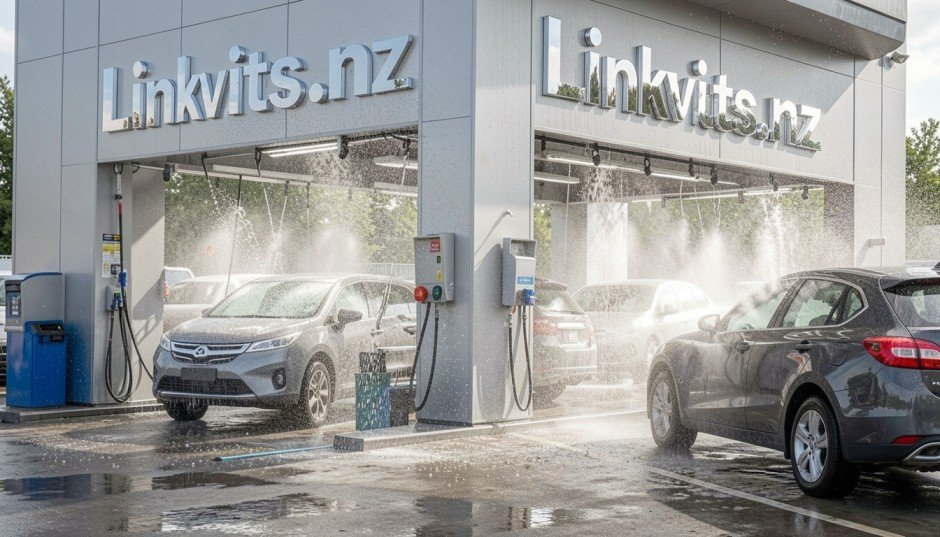
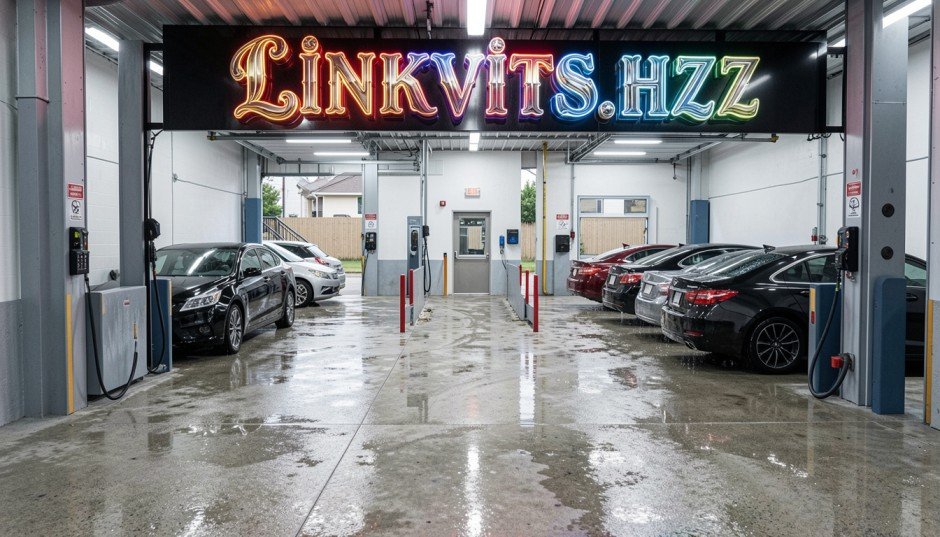
A self service car wash is a coin-operated or card-operated bay where you do the washing yourself. You use professional-grade equipment that you would never have at home, including a high-pressure wand, foam brush, tire cleaner, and spot-free rinse.
Most self service bays are open 24 hours a day, 7 days a week. You pay per minute or per cycle, and you move through the cleaning process at your own pace. There is no attendant telling you to hurry, and there are no automatic brushes scratching your paint.
These facilities are common in suburban and urban areas. You can find them as standalone stations or attached to gas stations and convenience stores.
How It Differs from Automatic Car Washes
Automatic car washes run your vehicle through a tunnel or spin machines around it. They are fast but not always thorough. They can miss spots, leave water marks, and occasionally cause minor paint scratches.
A self service car wash lets you:
- Target specific dirty areas with high pressure
- Spend extra time on wheels and wheel wells
- Avoid the scratch risk of rotating brushes
- Control the exact products touching your paint
- Pay only for the time you actually use
If you care about your car’s finish, a self service bay is the smarter choice.
How Does a Self Service Car Wash Work?
The process is simpler than most people expect. Here is a step-by-step breakdown so you know exactly what to do when you pull into the bay.
Step 1: Choose Your Bay and Pay
Pull your vehicle into an open bay. Most stations have clearly marked payment boxes. You can usually pay with quarters, tokens, or a debit or credit card. Select the service mode you want, such as presoak, soap, rinse, or wax.
Step 2: Pre-Rinse Your Vehicle
Start with a high-pressure rinse to knock off loose dirt and debris. Hold the wand about 12 to 18 inches from the surface. Work from the roof down to the lower panels. This step prevents you from grinding dirt into the paint when you apply soap.
Step 3: Apply Soap or Presoak
Switch the dial to soap or presoak mode. Apply the foam evenly across the entire vehicle. Let it sit for 30 to 60 seconds to break down grease and grime. Do not let it dry on the surface.
Step 4: Scrub with the Foam Brush
Most bays offer a foam brush attached to a hose. Use it gently on the body panels, windows, and bumpers. The foam brush is ideal for lifting dirt that the pressure wand alone cannot remove. Avoid using the brush on extremely dirty surfaces without rinsing first.
Step 5: Rinse Thoroughly
Switch back to the high-pressure rinse and remove all soap from top to bottom. Pay special attention to crevices, door handles, and mirrors where soap can hide and leave residue.
Step 6: Apply Spot-Free Rinse or Wax
Many self service car wash stations offer a spot-free rinse as the final step. This uses purified water to prevent water spots from forming as your car dries. Some stations also offer a liquid wax option for added shine and paint protection.
Step 7: Dry Your Car
After the wash, use a clean microfiber towel to dry your vehicle. Air drying leaves water spots, especially in warm weather. A quick wipe-down takes only a few minutes and makes a big difference in the final look.
How Much Does a Self Service Car Wash Cost?
Cost is one of the biggest reasons people love self service car washes. They are significantly cheaper than full-service options.
Here is a general pricing breakdown:
- Self service car wash: $2 to $8 for a full wash (time-based billing)
- Automatic tunnel wash: $8 to $20 depending on the package
- Full-service hand wash: $25 to $75 or more
- Mobile detailing: $100 to $300 depending on the service
The exact price at a self service car wash depends on your location and the station. Urban areas tend to charge more per minute than rural ones. Most machines charge between $0.25 and $1.00 per minute.
A typical wash session takes 5 to 10 minutes if you are efficient. You can complete a solid wash for $4 to $6 in most markets.
Tips to Save Money at the Car Wash
- Bring extra quarters or tokens so you do not run out mid-rinse
- Pre-rinse quickly to save time on the soap and scrub phase
- Avoid running the machine on rinse mode while you move the wand slowly
- Group errands together so you wash near your route
The Equipment You Will Use
Understanding the tools in the bay helps you get the most out of every dollar you spend.
High-Pressure Wand
This is the main tool. It connects to a hose and delivers pressurized water mixed with soap or plain water depending on the mode selected. It is powerful enough to strip road grime, mud, and brake dust from wheels.
Foam Brush
A large brush with soft bristles and a foaming soap delivery system. It is best used on panels that have already been rinsed. The foam brush adds gentle scrubbing action that the wand alone cannot replicate.
Spot-Free Rinse Nozzle
Some bays have a separate nozzle for the final rinse. This water goes through a deionizing or reverse osmosis system to remove minerals. It leaves your paint spotless as it dries.
Tire and Engine Cleaner Wand
A few stations offer a dedicated low-pressure wand for applying tire cleaner or engine degreaser. These are specialty modes you opt into separately.
Self Service Car Wash Tips for the Best Results
Even if you have washed your car dozens of times at home, these tips will help you get more out of a professional self service bay.
Work top to bottom. Gravity is on your side. Rinse, soap, and wax from the roof downward so dirty water does not flow back over clean surfaces.
Pre-treat your wheels first. Wheels are the dirtiest part of any vehicle. Spray them first, let the cleaner dwell, and finish them last. This way, brake dust and grime do not splatter onto your freshly cleaned paint.
Do not waste time on mode you are not using. Switch back to rinse as soon as you finish soaping. The machine runs while you are fumbling with the wand, and time is money here.
Bring your own microfiber towels. The blower or air hose some stations provide is fine, but nothing beats a clean microfiber towel for a streak-free dry.
Avoid washing in direct sunlight. Soap dries fast in warm temperatures and sunshine. If possible, choose a shaded bay or wash in the early morning or evening.
Clean the inside while the exterior dries. Use the vacuum stations usually located nearby to clean your interior while you wait. This multitasking saves you time and rounds out the full cleaning session.
Self Service Car Wash vs. Washing at Home
Many car owners wonder why they should pay for a self service bay when they have a hose at home. The answer comes down to pressure, products, and water.
A standard garden hose delivers about 40 to 70 PSI of water pressure. A self service car wash machine delivers 1,000 to 1,500 PSI. That difference is enormous when it comes to stripping road film, tar, and bug splatter from your paint.
Home washing also tends to use more water overall. A self service bay recycles and manages water efficiently. You actually use less water at a professional station than you would at home with an open hose running the whole time.
From an environmental standpoint, professional car wash facilities also treat and filter runoff before it enters the drainage system. Home washing sends soap, oil, and chemicals directly into street drains and local waterways.
Common Mistakes People Make at Self Service Car Washes
Avoid these errors and you will get a much better result every time.
Using the foam brush on heavy dirt. Always pre-rinse before using the foam brush. Scrubbing packed-on dirt with a brush causes micro-scratches in your paint.
Standing too close with the high-pressure wand. Hold the wand at least 12 inches from the surface. Too close and you risk damaging paint, trim, or rubber seals.
Skipping the spot-free rinse. This final step is worth the extra coin. It prevents water spots that form as the car dries, especially in hard water areas.
Letting soap dry on the paint. Never walk away or take a long break while soap is on your car. Dried soap is harder to remove and can leave marks.
Ignoring the undercarriage. Many self service bays offer an undercarriage wash mode. Use it, especially in winter when road salt builds up under your vehicle and causes rust.
Is a Self Service Car Wash Safe for All Vehicles?
Yes, a self service car wash is safe for virtually all vehicles when used correctly. The key difference compared to automatic car washes is that you control the wand and the pressure. There are no rotating brushes to worry about.
However, keep these points in mind:
- Fresh paint or custom paint jobs need extra care. Stay at a safer distance with the wand and use low-pressure modes when possible.
- Convertibles and soft tops should avoid direct high-pressure spray along the seams. Water can seep into the interior if seals are worn.
- Lifted trucks and SUVs may find standard bays tighter than average. Look for drive-through style bays if your vehicle sits particularly high.
Overall, a self service bay is gentler on your vehicle than an automatic car wash because you are making every decision about how much pressure and where to aim.
How Often Should You Use a Self Service Car Wash?
Most car care experts recommend washing your vehicle every two weeks under normal driving conditions. If you drive in heavy traffic, dusty roads, or areas with road salt in winter, you may want to wash weekly.
Here is a simple guide:
- Weekly wash: Heavy traffic, coastal areas with salt air, construction zones, winter road salt regions
- Bi-weekly wash: Average suburban or city driving, moderate dust and grime
- Monthly wash: Light use, garage-kept vehicles, low-traffic areas
Washing too infrequently allows contaminants like bird droppings, tree sap, and road tar to bond with your paint. These substances become harder to remove over time and can cause permanent damage if left unchecked.
What to Look for in a Good Self Service Car Wash Station
Not all self service car wash stations are created equal. When you are choosing one near you, look for these signs of quality.
Clean bays. If the bay itself looks dirty and neglected, the equipment probably is too. Good operators maintain their bays regularly.
Working equipment. Test the wand before committing your time. Broken modes or weak pressure are red flags.
Multiple payment options. Cards, quarters, and tokens give you flexibility. Machines that only take quarters can catch you off guard.
Spot-free rinse availability. This shows the operator invests in quality water treatment. It is worth the extra step.
Good lighting for evening visits. If you prefer to wash after work, make sure the station has adequate lighting so you can see what you are doing.
Security and safety. Look for stations in well-lit, visible locations with other customers around. Your safety matters too.
Conclusion
A self service car wash is one of the best ways to keep your vehicle clean without breaking the bank or handing your keys to someone else. You get professional-grade equipment, full control over the process, and results that beat what most automatic machines deliver.
The next time your car is begging for a wash, skip the tunnel line and pull into a self service bay. Spend 10 minutes, follow the steps in this guide, and drive away with a car that looks genuinely cared for.
Have you tried a self service car wash before? What is your favorite tip or trick for getting the best results? Share your experience in the comments below, and feel free to pass this guide along to a friend who could use it.
Frequently Asked Questions
1. What is a self service car wash? A self service car wash is a coin or card-operated facility where you wash your own vehicle using professional equipment including a high-pressure wand, foam brush, and spot-free rinse.
2. How much does a self service car wash cost? Most self service car washes charge between $0.25 and $1.00 per minute. A full wash typically costs between $3 and $8 depending on your location and how efficient you are.
3. Can I use a self service car wash on any vehicle? Yes. Self service car washes are safe for cars, trucks, SUVs, and vans. Use extra caution with fresh paint, soft tops, or vehicles with worn door seals.
4. How long does a self service car wash take? A typical session takes 5 to 10 minutes for a standard exterior wash. Allow extra time if you plan to clean wheels thoroughly or use specialty modes.
5. Is a self service car wash better than washing at home? In most cases, yes. Self service machines provide far more water pressure than a home hose, use water more efficiently, and properly manage chemical runoff to protect local water systems.
6. What does a spot-free rinse do? A spot-free rinse uses purified water from which minerals have been removed. This prevents the white mineral deposits that appear when tap water dries on your paint.
7. How often should I use a self service car wash? Every two weeks is ideal for average driving conditions. Wash more frequently in winter, coastal environments, or high-traffic areas where your car picks up more grime.
8. Can I wash my engine at a self service car wash? Some stations offer a low-pressure engine cleaner mode. Always check with the facility first and avoid spraying water directly on electrical components.
9. Do I need to bring anything to a self service car wash? Bring a few extra quarters or a payment card, at least two clean microfiber towels for drying, and a wheel brush if you want extra attention on your rims.
10. Are self service car washes environmentally friendly? Yes. Professional car wash facilities, including self service bays, are required in many regions to treat and recycle wastewater. They use less water overall than a standard home hose wash.
Author Bio
James Hartley is an automotive enthusiast and car care writer with over a decade of experience helping everyday drivers get more out of their vehicles. He has tested dozens of car wash methods and products firsthand and writes to make car maintenance simple and accessible for everyone.
Also read: linkvits.xyz