Introduction to Pork Fried Rice
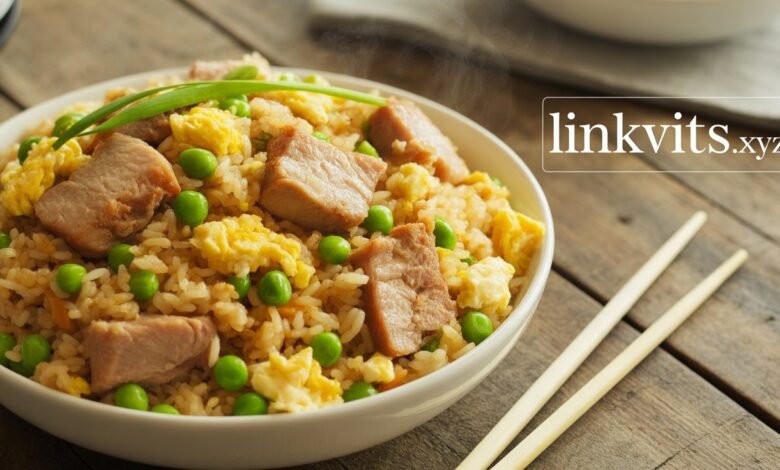
Pork fried rice is a quintessential dish in Asian cuisine, revered for its delightful balance of flavors and textures. This dish represents not only a culinary staple but also the art of utilizing leftovers in a satisfying manner. Across various cultures, fried rice has emerged as a popular choice, with pork serving as a favored protein due to its rich taste and versatility.
One of the primary reasons for the popularity of pork fried rice is its convenience. It allows home cooks to transform day-old rice into a new, flavorful meal by simply adding a few ingredients. Common elements include tender pieces of pork, colorful vegetables, and savory seasonings. These components contribute to the distinctive taste profile that makes this dish so delightful, appealing to many palates.
The beauty of pork fried rice lies in its customizability. This recipe can be tailored according to personal preferences, accommodating various dietary needs and ingredient availability. From adding different proteins such as chicken or shrimp to incorporating an array of vegetables like peas, carrots, and bell peppers, the options are nearly endless. As a result, pork fried rice is an ideal choice for utilizing leftovers, allowing cooks to experiment with different flavors and textures.
Moreover, the harmonious blend of elements in pork fried rice creates a satisfying experience. The tender pork adds a savory richness, while the crisp vegetables provide a refreshing crunch. The fluffy rice absorbs the seasonings, tying everything together into a cohesive dish. This pork fried rice recipe not only embodies comfort but also serves as a great option for a quick meal, making it a staple for busy households.
Ingredients for the Perfect Pork Fried Rice
Creating a delicious pork fried rice recipe starts with selecting the right ingredients. The primary component is of course, the pork. For a traditional taste, using combinations like tender pork loin or flavorful pork shoulder works best. The choice of meat can greatly influence the overall flavor and texture of the dish.
Next, the rice. Day-old jasmine or basmati rice is often preferred for fried rice dishes due to its fluffiness and ability to absorb flavors without getting mushy. If you have dietary restrictions, feel free to substitute with brown rice for a healthier option, though it may alter the cooking time slightly.

Vegetables are essential as they provide both color and nutritional value. Common choices include bell peppers, peas, carrots, and green onions. These not only enhance the flavor profile but also contribute to the visual appeal of the dish. For variations, consider adding snap peas or broccoli for added crunch and nutrition.
Moreover, you will need some key sauces to elevate the flavors of your pork fried rice. Soy sauce is vital, infusing the dish with a savory element. A splash of oyster sauce can bring additional depth, while sesame oil adds a nutty aroma. For those who prefer a spice kick, incorporating sriracha or a touch of chili flakes can provide the necessary heat.
It is important to select high-quality ingredients for the best results. Fresh vegetables and premium cuts of pork will significantly enhance the overall taste of your pork fried rice. Lastly, experimenting with ingredient ratios can lead to unique twists according to your flavor preferences. Don’t hesitate to explore alternative proteins such as chicken or tofu, if desired, to accommodate different dietary needs.
Preparation and Cooking Techniques
Successful execution of a pork fried rice recipe hinges on the careful selection and preparation of ingredients, as well as mastery of stir-frying techniques. One of the most critical aspects is the type of rice used in the dish. Day-old rice is often preferred because it is drier and less sticky than freshly cooked rice. This texture is essential for achieving that signature fried rice quality, allowing each grain to stand separate rather than clumping together.
Another vital consideration is the marination of the pork. Marinating the pork not only infuses flavor into the meat but also enhances its tenderness. A simple marinade can consist of soy sauce, sesame oil, garlic, and ginger, which complement the dish beautifully. Allowing the pork to marinate for at least 30 minutes ensures that the flavors permeate deeply.
In terms of cooking techniques, high cooking temperatures are key in the stir-frying process. Using a wok or a large skillet, preheat the cooking surface until it is hot. This high heat allows for quick cooking and helps achieve that beautiful sear on the pork. When stir-frying, it is advisable to work in batches if preparing a larger quantity, as overcrowding the pan will lead to steaming rather than frying.
Chopping vegetables ahead of time is also crucial in streamlining the cooking process. Use a variety of colorful vegetables such as bell peppers, carrots, and peas to enhance both the visual appeal and nutritional value of your pork fried rice recipe. Keep the vegetable pieces uniform in size to ensure even cooking. This preparation method complements the quick cooking style of stir-frying and helps retain the freshness and crunch of the vegetables.
To prepare a delicious pork fried rice recipe, it is essential to follow a structured approach that ensures each ingredient is perfectly cooked and flavorful. Start by selecting the right cut of pork, such as tenderloin or shoulder. Cut the pork into small cubes, approximately one-inch in size, for even cooking.
Heat a tablespoon of oil in a large wok or skillet over medium-high heat. Once the oil is shimmering, add the pork to the pan. Stir-fry the pork for about 5-7 minutes until it is browned on the outside and cooked through. To enhance flavor, season it with salt, pepper, and a dash of soy sauce. Once cooked, remove the pork from the pan and set it aside.
In the same pan, add a tablespoon of oil if necessary and introduce diced onions, carrots, and any other vegetables you prefer, such as peas or bell peppers. Stir-fry the vegetables for about 3-4 minutes until tender yet still crisp. This step is crucial, as it adds depth and variety to the pork fried rice recipe.
Next, push the vegetables to the sides of the pan and crack in two large eggs. Scramble the eggs until fully cooked, then mix them with the vegetables. Integrating eggs provides a creamy texture to the dish. At this point, return the cooked pork to the pan.
Now, it is time to add the rice. Use cold, day-old rice for the best results, as it helps to prevent stickiness. Add about 4 cups of rice into the mixture and stir well to combine all ingredients evenly. Drizzle a few tablespoons of soy sauce and sesame oil over the rice, mixing thoroughly to ensure every grain is coated with flavor.
Cook for an additional 3-5 minutes, allowing the rice to heat through and absorb the sauce’s flavors. Keep stirring to avoid burning. As a tip, make sure to taste and adjust seasoning as needed. Common mistakes to avoid include using fresh rice, which can be mushy, or overcooking the vegetables.
By following these steps meticulously, you will create an authentic pork fried rice recipe that is both delicious and satisfying.
Tips for Customizing Your Pork Fried Rice
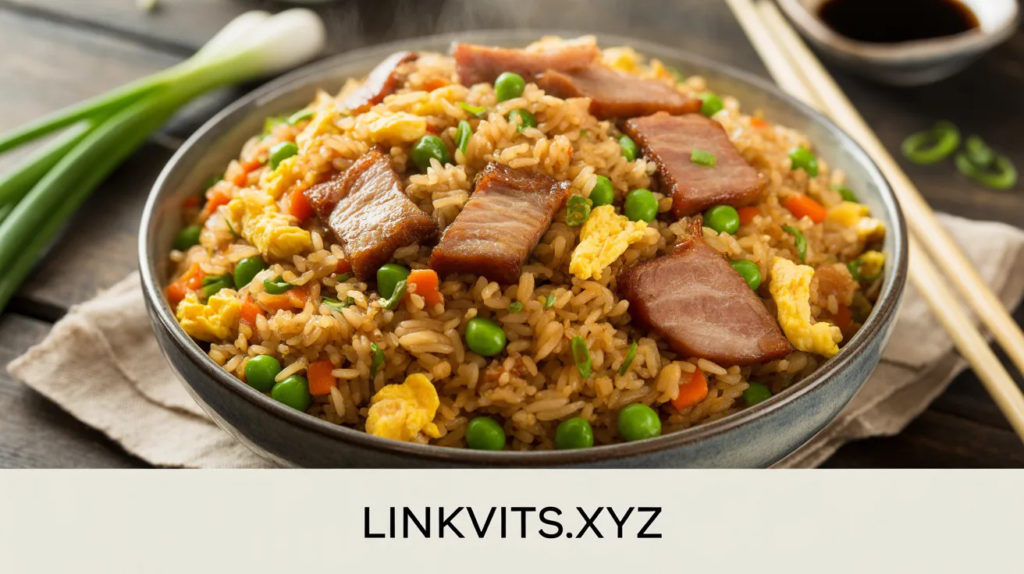
Personalizing your pork fried rice recipe can be an exciting culinary adventure, allowing you to experiment with various ingredients that cater to your taste and dietary preferences. One of the most essential aspects of modifying this dish is selecting the right vegetables. Consider adding colorful bell peppers, crunchy snow peas, or vibrant carrots to your stir-fry. These vegetables not only enhance the dish’s visual appeal but also contribute essential vitamins and minerals.
In addition to vegetables, you may want to explore different proteins. While pork is a traditional choice, feel free to substitute it with chicken, shrimp, or tofu for a vegetarian option. Each protein type brings its unique flavor profile, which can enrich your fried rice experience, and cater to various dietary needs. It’s also possible to combine proteins, such as pork and shrimp, to create a delightful medley.
When it comes to sauces, soy sauce is typically the foundational element in a pork fried rice recipe. However, incorporating other sauces can transform the dish into a new culinary creation. A splash of oyster sauce or hoisin sauce can add depth and sweetness, while chili paste or Sriracha can introduce a spicy kick. If you’re aiming for a lighter version, consider using low-sodium soy sauce or even coconut aminos, which are suitable alternatives.
For those who appreciate international flavors, customizing your fried rice to reflect different cuisines is a brilliant approach. For instance, adding kimchi and gochujang can infuse a Korean flair, while using curry powder and peas can give it an Indian twist. Overall, your personal touch can elevate a straightforward pork fried rice recipe into a culinary delight that suits your preference, making dining a more enjoyable and tailored experience.
Pork fried rice is not only a delicious meal but also packs a variety of nutritional benefits. At its core, this dish primarily consists of proteins, carbohydrates, and several vitamins that contribute to a well-rounded diet. The inclusion of pork provides a significant source of protein, which is essential for building and repairing tissues in the body. Pork is rich in important nutrients such as B vitamins, particularly B6 and B12, which play a vital role in energy metabolism and maintaining healthy nerves and blood cells.
The carbohydrates found in the rice serve as the primary energy source, fueling daily activities and bodily functions. The use of brown rice can enhance the nutritional profile further, offering additional fiber that aids in digestion and helps maintain a healthy weight by promoting a feeling of fullness. Moreover, incorporating vegetables such as peas, carrots, and onions not only adds color and texture to the dish but also introduces vitamins and minerals, enhancing overall health benefits. Vegetables are rich in antioxidants and vital nutrients, supporting the immune system and contributing to overall well-being.
Portion control is crucial when enjoying pork fried rice, as it can quickly become calorie-dense depending on serving sizes and added ingredients. To make it a part of a balanced diet, consider complementing it with lean protein options and a variety of vegetables, thus ensuring a wholesome meal. By being mindful of portion sizes and ingredient choices, pork fried rice can be both nutritious and satisfying, fitting seamlessly into a healthy eating plan. This flexibility allows the dish to cater to various dietary preferences and needs, making it a versatile option that everyone can enjoy.
Serving Suggestions and Pairings
Pork fried rice is a versatile dish that can be enhanced with various accompaniments to create a well-rounded meal. One popular pairing is spring rolls, which add a delightful crunch and complement the flavors of the fried rice beautifully. These can be filled with vegetables, shrimp, or even more pork, allowing for a harmonious culinary experience.
Another classic side that works well with pork fried rice is dumplings. Whether they are steamed, boiled, or pan-fried, dumplings provide a savory contrast to the rice. Their filling can range from pork and cabbage to mushroom and scallion, inviting a wealth of textures and tastes that elevate the main dish. Additionally, a fresh salad comprising crisp greens and vibrant vegetables can offer a refreshing counterpoint to the richness of the pork fried rice. A light vinaigrette dressing would enhance this complement, providing an extra burst of flavor without overpowering the main meal.
When it comes to beverage pairings, a variety of drinks can enhance your dining experience. For those who enjoy alcoholic options, a crisp white wine, such as Sauvignon Blanc, can provide a contrasting brightness, while a light lager beer can refresh the palate. Alternatively, non-alcoholic choices like iced tea or a zesty lemonade can also work remarkably well, balancing the flavors in the pork fried rice. Sweet or fruity beverages will offset the dish’s savory aspects, creating a pleasant combination that appeals to diverse tastes.
By selecting these sides and drinks thoughtfully, you can create a delightful dining experience that showcases your pork fried rice recipe in the best light. Each side provides something unique, contributing to the overall appeal of your meal.
Storage and Reheating Instructions
To ensure that your remaining pork fried rice retains its taste and quality, proper storage is essential. After enjoying your meal, allow the pork fried rice to cool down to room temperature. Once cooled, transfer it to an airtight container. This minimizes exposure to air, which can lead to spoilage. Ideally, the pork fried rice should be stored in the refrigerator within two hours of cooking to prevent bacterial growth.
When storing in the fridge, consume the pork fried rice within 3 to 4 days for the best flavor and safety. For longer storage, you might consider freezing leftovers. Portion the fried rice into freezer-safe bags or containers, removing as much air as possible to prevent freezer burn. Frozen pork fried rice can last for up to 3 months; however, it is advisable to consume it sooner for optimal taste.
When you are ready to enjoy the leftover pork fried rice, reheating it correctly is key to maintaining its flavor and texture. For best results, reheat using a skillet or a wok on medium heat. Add a small splash of water or soy sauce to prevent dryness. Stir regularly, ensuring even heating. Reheat until the rice reaches a safe internal temperature of 165°F (74°C).
Alternatively, you can use the microwave for convenience. Place the pork fried rice in a microwave-safe bowl, cover it with a microwave-safe lid or a damp paper towel to hold in moisture. Heat on high for one-minute intervals, stirring in between, until thoroughly heated. Regardless of which method you choose, be sure to avoid overheating, as this can lead to a rubbery texture. These storage and reheating tips will help keep your delicious pork fried rice recipe enjoyable long after its initial preparation.
Conclusion and Final Thoughts

Creating a delicious pork fried rice recipe at home can be an incredibly rewarding culinary experience. Not only does it allow you to enjoy an authentic dish, but it also gives you the freedom to customize the ingredients based on your preferences and dietary requirements. The process of crafting this delightful meal engages various cooking techniques—from stir-frying to seasoning—culminating in a dish that is both flavorful and comforting.
The beauty of pork fried rice lies in its versatility. You can introduce an array of vegetables like peas, carrots, and bell peppers, or even substitute the pork with chicken, shrimp, or tofu to suit your taste. Each variation provides a unique spin on the core recipe and opens up new opportunities for creativity in your cooking routine. Furthermore, cooking at home not only saves costs compared to restaurant dining but also allows you to source high-quality ingredients that cater to your taste and health needs.
As you experiment with this pork fried rice recipe, let your imagination guide you. Don’t hesitate to add your own twists and turns, whether it’s a splash of soy sauce, a dash of sesame oil, or a sprinkle of green onions for that fresh touch. Each homemade dish can tell a different story, reflecting your personal preferences and making the dining experience more enjoyable.
We encourage you to share your variations and experiences with your own pork fried rice creations. This exchange of ideas not only inspires others but also showcases the joy of home cooking. Remember, there is no wrong way to prepare your fried rice, so become your very own chef, and have fun with it!
Also Read :Prismatic Surprise Box