
Introduction
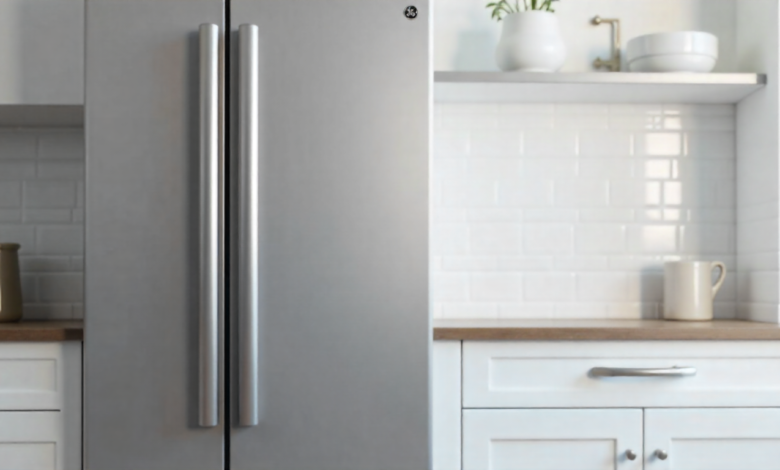
Your refrigerator is probably the hardest working appliance in your home. It runs 24/7, keeps your food fresh, and plays a starring role in your kitchen’s look and functionality. When it comes time to choose a new one, the options can feel overwhelming. That’s where GE refrigerator models come into the picture.
GE Appliances has been a trusted name in American kitchens for over a century. Their refrigerators combine innovation, reliability, and style in ways that make everyday life easier. Whether you’re a busy parent storing a week’s worth of groceries or someone who loves entertaining guests, there’s a GE refrigerator designed with your needs in mind.
In this comprehensive guide, you’ll learn everything you need to know about GE refrigerators. We’ll explore different styles and features, help you understand what makes these appliances stand out, and give you practical tips for choosing the right model. You’ll also discover maintenance advice that keeps your fridge running smoothly for years. By the end, you’ll feel confident making a smart decision for your kitchen.
Understanding GE Refrigerators: Brand Overview
GE Appliances has a rich history that dates back to 1905. The company pioneered many innovations that changed how we store food at home. Today, GE continues pushing boundaries with smart technology and energy efficient designs.
The brand operates under Haier, a global appliance manufacturer, but maintains its American heritage and commitment to quality. Manufacturing facilities across the United States produce many GE refrigerator models. This means you’re supporting American jobs while getting a quality product.
GE offers refrigerators across multiple price points. You can find budget friendly models that cover the basics beautifully. Premium lines like GE Profile and Cafe provide advanced features and stunning designs. The GE Monogram line caters to luxury kitchens with professional grade performance.
What sets GE apart is their focus on real life usability. Engineers design these refrigerators thinking about how families actually use them. You’ll find thoughtful touches like adjustable shelving, smart storage solutions, and intuitive temperature controls throughout their lineup.
Popular GE Refrigerator Styles Explained
Choosing the right refrigerator style depends on your kitchen layout and personal preferences. GE manufactures several distinct styles, each with unique advantages.
French Door Refrigerators
French door models are incredibly popular right now, and for good reason. These refrigerators feature two doors on top for the fresh food section and a freezer drawer below. The design puts fresh food at eye level where you access it most often.
GE’s french door refrigerators often include features like door in door access, hands free autofill water dispensers, and convertible drawers. The wide shelves make it easy to store party platters and pizza boxes. Many models include LED lighting that illuminates every corner.
Energy efficiency is another benefit of this style. You only open one side at a time, which means less cold air escapes. This design works perfectly for families who prioritize fresh food storage over frozen items.
Side by Side Refrigerators
Side by side models split the refrigerator vertically. Fresh food occupies one side while the freezer takes up the other. This style provides excellent organization and easy access to both sections.
If you use your freezer frequently, you’ll appreciate having it at eye level instead of bending down. The narrow doors require less clearance to open, making these refrigerators ideal for galley kitchens or tight spaces. GE’s side by side models typically include external water and ice dispensers.
Storage capacity gets divided evenly between fresh and frozen sections. This works great if you buy in bulk or store lots of frozen meals. The shelving systems in both sections usually adjust to accommodate items of various sizes.
Top Freezer Refrigerators
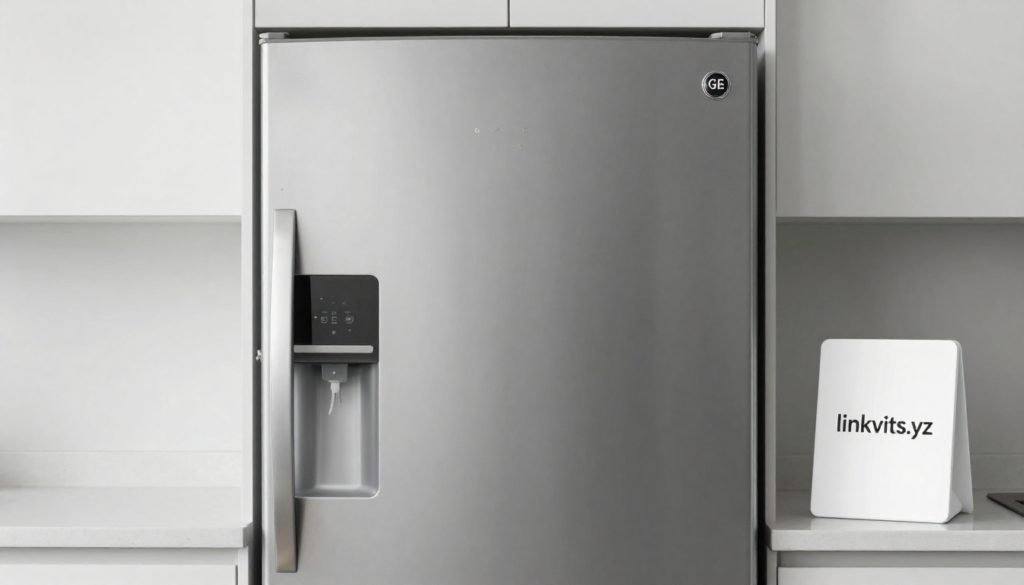
Top freezer refrigerators represent the classic, traditional design. The freezer sits on top, and the fresh food section occupies the larger bottom area. These models are typically the most affordable and energy efficient options.
GE’s top freezer refrigerators prove that simple doesn’t mean basic. You’ll find modern features like adjustable glass shelves, humidity controlled crispers, and bright LED lighting. The fresh food section provides generous space for weekly groceries.
These refrigerators work wonderfully in smaller kitchens, apartments, or as secondary units in garages. They’re reliable, straightforward, and built to last. If you don’t need fancy features and want maximum value, a top freezer GE refrigerator makes excellent sense.
Bottom Freezer Refrigerators
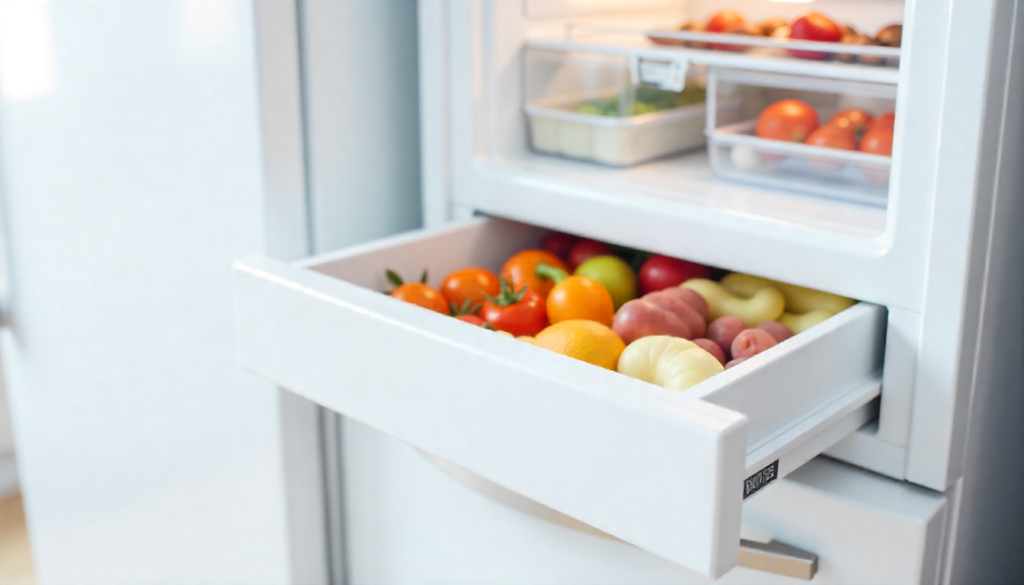
Bottom freezer models flip the script by placing the freezer in a pullout drawer at the bottom. This puts fresh food at a comfortable height and eliminates constant bending to grab milk or vegetables.
The freezer drawer design helps with organization. Many GE bottom freezer refrigerators include dividers and bins that keep frozen items sorted and visible. You can slide the drawer open fully to see everything at once.
This style typically offers slightly less freezer space than other configurations. However, if you prioritize fresh food storage and convenience, that tradeoff makes perfect sense. The ergonomic design reduces strain on your back compared to top freezer models.
Key Features to Look for in GE Refrigerators
Modern refrigerators pack in features that go far beyond basic cooling. Understanding these features helps you choose a GE refrigerator that truly matches your lifestyle.
Smart Technology Integration
Many newer GE refrigerator models include WiFi connectivity and smartphone integration. The SmartHQ app lets you control temperature settings remotely, receive alerts if doors are left open, and even troubleshoot issues before calling for service.
Some models feature built in cameras that show you what’s inside without opening the door. Imagine checking your fridge contents while grocery shopping to see if you need milk. Voice control through Amazon Alexa or Google Assistant adds another layer of convenience.
Smart technology also enables software updates that improve performance over time. Your refrigerator essentially gets better as you own it. Energy monitoring features help you track electricity usage and optimize settings for efficiency.
Water and Ice Dispensing Systems
Water and ice dispensers add significant convenience to daily life. GE offers several dispensing options depending on the model you choose. External dispensers provide quick access without opening doors. Internal dispensers maximize exterior space for a streamlined look.
The hands free autofill feature is genuinely game changing. You place a container under the dispenser, press a button, and walk away. The refrigerator fills your pitcher or water bottle automatically, then stops. No more standing there holding the button.
Filtration systems in GE refrigerators remove contaminants and improve water taste. Replacement filters are readily available and easy to install. Some models even remind you when it’s time to change filters.
Storage and Organization Solutions
GE engineers understand that efficient storage makes meal prep easier and reduces food waste. Adjustable shelving systems let you configure the interior space based on what you’re storing. Glass shelves contain spills and clean up easily.
Door bins often feature gallon storage that accommodates large containers. Temperature controlled drawers maintain optimal conditions for different food types. Humidity controlled crispers keep produce fresh longer by managing moisture levels.
Many GE refrigerator models include quick access doors or compartments. These mini doors let you grab frequently used items without exposing the entire refrigerator interior to warm air. It’s a small feature that makes a noticeable difference in energy efficiency.
Energy Efficiency Ratings
Energy efficiency matters for both environmental and financial reasons. GE refrigerators often carry Energy Star certification, meaning they meet strict efficiency guidelines set by the EPA. These models use about 15% less energy than standard requirements.
LED lighting uses far less electricity than traditional bulbs while providing better illumination. Improved insulation keeps temperatures stable with less energy. Advanced compressor technology adjusts cooling power based on actual needs rather than running constantly.
You’ll find the yellow EnergyGuide label on all new refrigerators. This label estimates annual operating costs based on average electricity rates. Comparing these numbers helps you understand long term ownership costs beyond the initial purchase price.
GE Profile and Cafe: Premium Lines Explained
Beyond standard GE refrigerators, the company offers two premium lines that deliver elevated features and designs. Understanding these distinctions helps you decide if the upgrade makes sense for your needs.
GE Profile Refrigerators
GE Profile represents the step up from standard models. These refrigerators incorporate more advanced features, better finishes, and enhanced performance. You’ll notice differences in details like door handles, control panels, and interior lighting.
Profile models often debut new technologies before they trickle down to standard lines. Features like the Autofill pitcher, TwinChill evaporators for separate climate control, and advanced water filtration typically appear here first. The build quality feels more substantial, with quieter operation and smoother door movement.
Design aesthetics get more attention in Profile refrigerators. Sleek stainless steel finishes, hidden hinges, and integrated handles create a modern, professional appearance. These refrigerators make a statement in updated or remodeled kitchens.
The price premium for Profile models typically ranges from 20 to 40 percent above comparable standard GE refrigerators. For many homeowners, the additional features and refined design justify the investment, especially during kitchen renovations.
Cafe Refrigerators
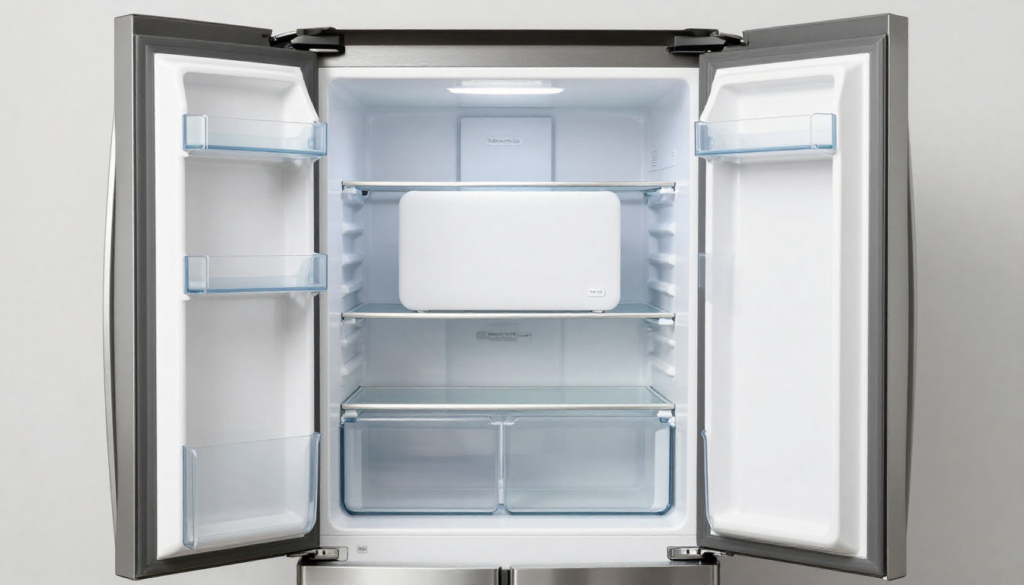
Cafe represents GE’s boutique line focused on customization and distinctive style. These refrigerators let you express personality through hardware choices and unique finish options. Matte white, matte black, and stainless steel provide the canvas, while you select hardware finishes like brushed bronze, brushed copper, or brushed stainless.
Beyond aesthetics, Cafe refrigerators deliver professional grade performance. Features might include hands free autofill, hot water dispensers, and sophisticated temperature management systems. The interiors showcase premium materials and thoughtful organization features.
Cafe models appeal to design conscious homeowners who view their kitchen as an extension of their personal style. The ability to customize hardware creates a coordinated look when paired with other Cafe appliances. You can achieve a cohesive, designer kitchen appearance.
Expect Cafe refrigerators to command premium pricing, often 50 to 70 percent more than standard GE models. The investment reflects both the enhanced features and the customization options that make your kitchen uniquely yours.
How to Choose the Right Size GE Refrigerator
Selecting the proper refrigerator size involves more than just measuring your kitchen space. You need to consider capacity requirements, door clearances, and long term needs.
Measuring Your Space
Start by measuring the height, width, and depth of your available space. Remember to account for door swing clearance. French door and side by side models need space for both doors to open fully. Check that cabinet depths won’t interfere with door operation.
Measure the path from your entrance to the kitchen. Will the new refrigerator fit through doorways, around corners, and past obstacles? Professional delivery services handle this, but knowing beforehand prevents unpleasant surprises. Remove doors temporarily if needed to gain extra clearance.
Consider ventilation requirements too. Most refrigerators need a few inches of space around them for proper airflow. Built in models have different requirements than freestanding units. Check manufacturer specifications before finalizing your choice.
Determining Capacity Needs
Refrigerator capacity is measured in cubic feet. A general rule suggests 4 to 6 cubic feet per person in your household. A family of four would need 16 to 24 cubic feet. Adjust based on your shopping and cooking habits.
Think about how you use your refrigerator. Do you buy groceries weekly or stock up monthly? Do you entertain frequently or meal prep for the week? Large families obviously need more space, but cooking enthusiasts might need more capacity than their household size suggests.
Consider the freezer to fresh food ratio that matches your lifestyle. If you rely heavily on frozen foods, side by side models or units with larger freezer sections make sense. If you eat mostly fresh foods, french door or bottom freezer styles work better.
Planning for Future Needs
Your refrigerator should serve you well for 10 to 15 years. Think about how your household might change during that timeframe. Growing families need more capacity. Empty nesters might downsize but still want premium features.
Kitchen renovations often prompt refrigerator purchases. If you’re remodeling, consider built in or panel ready options that integrate seamlessly with cabinetry. Counter depth models provide a streamlined look but sacrifice some interior capacity compared to standard depth units.
Resale value matters if you plan to sell your home eventually. Mid range to upper mid range appliances appeal to most buyers. Going too basic might turn off potential purchasers, while ultra luxury models only attract specific buyers.
Maintaining Your GE Refrigerator for Longevity
Proper maintenance keeps your GE refrigerator running efficiently and extends its lifespan significantly. Most tasks take just minutes but deliver huge benefits.
Regular Cleaning Routines
Clean refrigerator interiors monthly to prevent odors and maintain hygiene. Remove all items and wipe down shelves, drawers, and walls with warm soapy water. Avoid harsh chemicals that might damage surfaces or leave residues that affect food.
Clean door seals gently with mild detergent. These gaskets keep cold air sealed inside, and torn or dirty seals waste energy. Check that seals grip properly by closing a dollar bill in the door. If you can pull it out easily, the seal needs attention.
Vacuum refrigerator coils every six months. Dust buildup on coils makes the compressor work harder and waste energy. Coils are usually located on the back or underneath the unit. Use a coil brush or vacuum attachment designed for this purpose.
The exterior finish requires appropriate care depending on material. Stainless steel cleaners designed for appliances work best on stainless surfaces. Microfiber cloths prevent scratching. Clean with the grain of the steel for best results.
Filter Replacements
Water filters need replacement every six months typically, though this varies by model and water quality. Your GE refrigerator will usually alert you when it’s time. Genuine GE filters guarantee proper fit and performance, though aftermarket options exist.
Replacing filters is straightforward. Locate the filter housing, usually inside the fresh food section or in the grille at the bottom. Twist the old filter out, insert the new one, and twist to lock. Run water through the dispenser for a few minutes to clear any air or carbon particles.
Air filters in some models help control odors and maintain freshness. These also need periodic replacement, typically once or twice yearly. Check your owner’s manual for specific guidance on your model.
Troubleshooting Common Issues
Most refrigerator problems have simple solutions. If your GE refrigerator isn’t cooling properly, check that vents inside aren’t blocked by food items. Ensure the temperature settings haven’t been accidentally adjusted. Verify that doors close completely and seals are intact.
Ice maker issues often relate to water supply or freezer temperature. Check that the water line valve is fully open. Ensure the freezer temperature stays between 0 and 5 degrees Fahrenheit. Low water pressure can prevent ice makers from functioning properly.
Excessive frost buildup in the freezer suggests a door seal problem or the door being left open frequently. Warm, humid air entering the freezer creates frost. Check seals and make sure nothing prevents doors from closing completely.
Strange noises are normal to some degree. Refrigerators make humming, clicking, and whooshing sounds during normal operation. However, loud buzzing or rattling might indicate a problem. Consult your manual or contact service if sounds seem unusual.
Cost Considerations and Where to Buy
Understanding pricing and shopping strategically helps you get the best GE refrigerator for your budget. Prices vary widely based on style, features, and retailer.
Price Ranges by Model Type
Basic top freezer GE refrigerators start around $600 to $900. These models provide reliable performance without advanced features. They’re perfect for apartments, rental properties, or budget conscious buyers who need dependable cooling.
Standard GE refrigerators in popular styles like french door or side by side typically range from $1,200 to $2,500. This mid range segment offers good value with features like water dispensers, ice makers, and flexible storage options.
GE Profile models occupy the $2,000 to $4,000 range. You’re paying for enhanced features, better finishes, and improved performance. Profile refrigerators make sense for updated kitchens where appliances form part of the overall design scheme.
Cafe refrigerators start around $3,500 and reach $6,000 or more depending on size and features. The customization options and professional performance justify the premium for design focused homeowners. These compete with other luxury appliance brands.
Best Places to Purchase
Major appliance retailers like Home Depot, Lowe’s, and Best Buy carry extensive GE refrigerator selections. You can see models in person, compare features, and often negotiate delivery and installation. These stores frequently run promotions and offer price matching.
Online shopping through retailers’ websites provides convenience and sometimes better deals. However, buying such a large appliance sight unseen carries risks. Read reviews carefully and understand return policies completely before purchasing online.
Local appliance specialty stores offer personalized service and expertise. Sales staff often have deeper product knowledge than big box employees. These stores might provide better after sale support, though prices may be slightly higher.
Shopping during holiday weekends like Memorial Day, July 4th, or Labor Day typically yields the best deals. Black Friday and year end clearance sales also offer significant savings. Timing your purchase strategically can save hundreds of dollars.
Warranties and Protection Plans
GE refrigerators include a standard one year limited warranty covering parts and labor. This protects against manufacturing defects but not damage from misuse or accidents. Keep your purchase receipt and warranty documentation in a safe place.
Extended warranties and protection plans are available through retailers and third party providers. These extend coverage beyond the manufacturer’s warranty, sometimes up to five years or more. Evaluate whether the cost justifies the potential benefits based on the refrigerator’s price and your risk tolerance.
Read warranty terms carefully. Some extended warranties exclude specific components like ice makers or water dispensers. Others include benefits like food spoilage reimbursement if your refrigerator breaks down. Understanding exactly what’s covered helps you make an informed decision.
GE provides customer support through phone, chat, and online resources. The company’s service network includes authorized repair technicians nationwide. Registering your refrigerator after purchase ensures you receive important updates and recall notifications if they occur.
Environmental Impact and Sustainability
Choosing an environmentally responsible refrigerator reduces your carbon footprint and often saves money through lower energy bills. GE has made significant strides in appliance sustainability.
Modern GE refrigerators use hydrofluorocarbon refrigerants with lower global warming potential than older refrigerants. The company continues researching even more environmentally friendly cooling technologies. Manufacturing processes increasingly incorporate recycled materials and reduce waste.
Energy Star certified models consume substantially less electricity than minimum federal standards require. Over a refrigerator’s 12 year average lifespan, this efficiency saves hundreds of dollars in energy costs. The environmental benefit equals removing a car from the road for months.
When replacing an old refrigerator, dispose of it responsibly. Many utilities and retailers offer recycling programs that safely handle refrigerants and recover valuable materials. Some programs even provide rebates for recycling old, inefficient appliances.
Conclusion
Choosing the right GE refrigerator transforms your kitchen into a more functional, efficient space. You’ve learned about different styles, from french door to top freezer models, and how each serves different needs. Understanding features like smart technology, water dispensers, and energy efficiency helps you prioritize what matters most.
Whether you opt for a standard GE refrigerator, step up to Profile, or invest in a customized Cafe model, you’re getting a product backed by over a century of innovation. Proper sizing ensures your new appliance fits perfectly both physically and functionally. Regular maintenance keeps it running smoothly for many years.
Remember that the best refrigerator is the one that matches your lifestyle, budget, and kitchen design. Don’t get overwhelmed by options. Focus on must have features, set a realistic budget, and choose from models that meet those criteria. Your perfect GE refrigerator is out there waiting.
Take time to research specific models that interest you. Read reviews from actual owners. Visit showrooms to see refrigerators in person. The investment you make today will serve your household faithfully for years to come.
What features matter most in your ideal refrigerator? Start exploring GE’s lineup today and discover the model that’s perfect for your home.
FAQs
Are GE refrigerators reliable?
Yes, GE refrigerators consistently rank well for reliability among major appliance brands. They typically last 10 to 15 years with proper maintenance. Consumer reports and independent reviews generally rate GE appliances favorably for durability. The company’s long history and extensive service network provide additional confidence.
How often should I replace my GE refrigerator water filter?
Replace your GE refrigerator water filter every six months under normal conditions. If you have hard water or use the dispenser heavily, you might need more frequent changes. Most models include indicator lights that alert you when replacement is due. Timely changes ensure clean water and ice.
What does the warranty cover on a new GE refrigerator?
The standard GE refrigerator warranty covers parts and labor for one year from the purchase date. This includes repairs for manufacturing defects and faulty components. The sealed refrigeration system has additional coverage, typically five years for parts only. Extended warranties are available for purchase separately.
Can I install a GE refrigerator myself?
Basic installation of a freestanding GE refrigerator is manageable if you’re handy. You’ll need to level the unit, connect water lines if applicable, and ensure proper ventilation. Built in models or those requiring electrical modifications should be installed professionally. Most retailers offer installation services for reasonable fees.
How much does it cost to repair a GE refrigerator?
Repair costs vary widely depending on the problem. Simple fixes like replacing a water filter or thermostat might cost $100 to $200. Major repairs like compressor replacement can run $400 to $600 or more. Ice maker repairs typically fall in the $150 to $300 range. Get estimates before authorizing major repairs.
What’s the difference between GE and GE Profile refrigerators?
GE Profile refrigerators offer more advanced features, premium finishes, and enhanced performance compared to standard GE models. Profile units typically include newer technologies, better build quality, and more sophisticated designs. The price difference usually ranges from 20 to 40 percent higher than comparable standard models.
Do GE refrigerators require special outlets?
Most GE refrigerators use standard 115 volt household outlets. They don’t require special wiring or dedicated circuits in typical situations. However, avoid using extension cords, which can cause voltage drops and potential fire hazards. Ensure your outlet is properly grounded for safety and optimal performance.
How do I reset my GE refrigerator?
To reset a GE refrigerator, unplug it for at least 30 seconds, then plug it back in. This clears the control board and often resolves minor glitches. Some models have specific reset procedures involving button combinations. Consult your owner’s manual for model specific instructions if a simple power cycle doesn’t work.
Are GE refrigerators made in the USA?
Many GE refrigerators are manufactured in the United States, particularly at facilities in Kentucky, Alabama, and Tennessee. However, some components come from international suppliers. GE Appliances is owned by Haier but maintains American manufacturing operations and employs thousands of workers in the United States.
What’s the most energy efficient GE refrigerator?
Top freezer models are generally the most energy efficient GE refrigerator style due to their simple design. Among modern features, look for Energy Star certification, LED lighting, and advanced insulation. The GE GTS18GTHWW top freezer model is known for excellent efficiency. Check EnergyGuide labels to compare specific models.
Read More : Relative Frequency
