Introduction
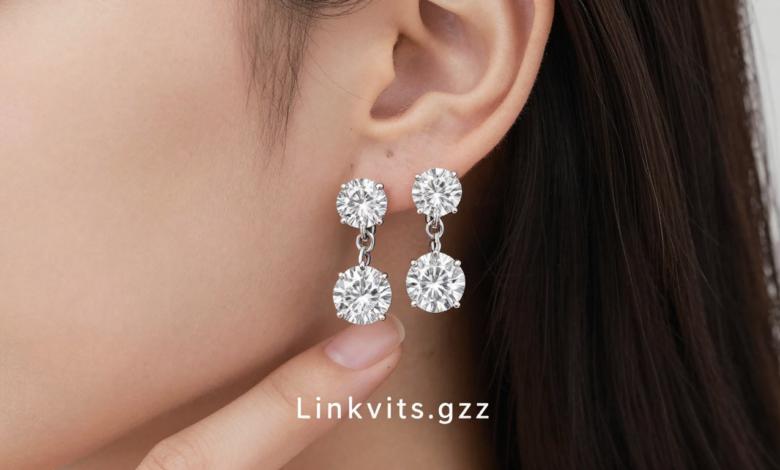
There’s something magical about slipping on a pair of diamond earrings.
They catch the light. They frame your face. They transform even the simplest outfit into something special.
Whether you’re considering your first diamond earring purchase or adding to your collection, you’re in the right place. Diamond earrings have captivated jewelry lovers for centuries, and for good reason. They’re versatile, timeless, and remarkably expressive.
In this comprehensive guide, I’ll walk you through everything you need to know about diamond earrings. We’ll explore different styles, discuss what makes quality diamond earrings worth the investment, and share practical tips for choosing, wearing, and caring for these precious accessories. By the end, you’ll feel confident making your next diamond earring purchase.
Why Diamond Earrings Never Go Out of Style
Diamond earrings hold a unique position in the jewelry world.
Unlike trendy accessories that fade with fashion cycles, diamond earrings remain perpetually elegant. You can wear them to a business meeting, a wedding, or a casual brunch. They work with jeans and a t-shirt just as beautifully as with an evening gown.
The versatility of diamond earrings stems from their pure, neutral sparkle. Diamonds complement every skin tone, hair color, and personal style. They don’t compete with your outfit—they enhance it.
From a practical standpoint, diamond earrings also represent excellent value. While the initial investment might seem significant, quality diamond earrings last generations. You’ll wear them countless times, making the cost-per-wear incredibly low compared to trendy pieces you might abandon after a season.
Understanding Diamond Quality in Earrings
Before you shop for diamond earrings, understanding diamond quality helps you make informed decisions.
The Four Cs of Diamonds
When evaluating diamond earrings, jewelers reference the “Four Cs”:
Cut: How well the diamond is shaped and faceted. Cut affects brilliance more than any other factor. Well-cut diamonds reflect light beautifully, creating that coveted sparkle.
Color: Diamonds range from colorless to yellow-tinted. The less color, the more valuable. For diamond earrings, many experts recommend staying in the G-H color range for optimal value and appearance.
Clarity: This refers to internal flaws (inclusions) and external blemishes. For diamond earrings, you don’t need flawless stones. Since earrings sit further from scrutiny than rings, SI1-SI2 clarity often looks clean to the naked eye.
Carat: The diamond’s weight. Larger diamonds cost more, but size isn’t everything. A smaller, well-cut diamond can sparkle more than a larger, poorly cut stone.
Why Earrings Allow Flexibility
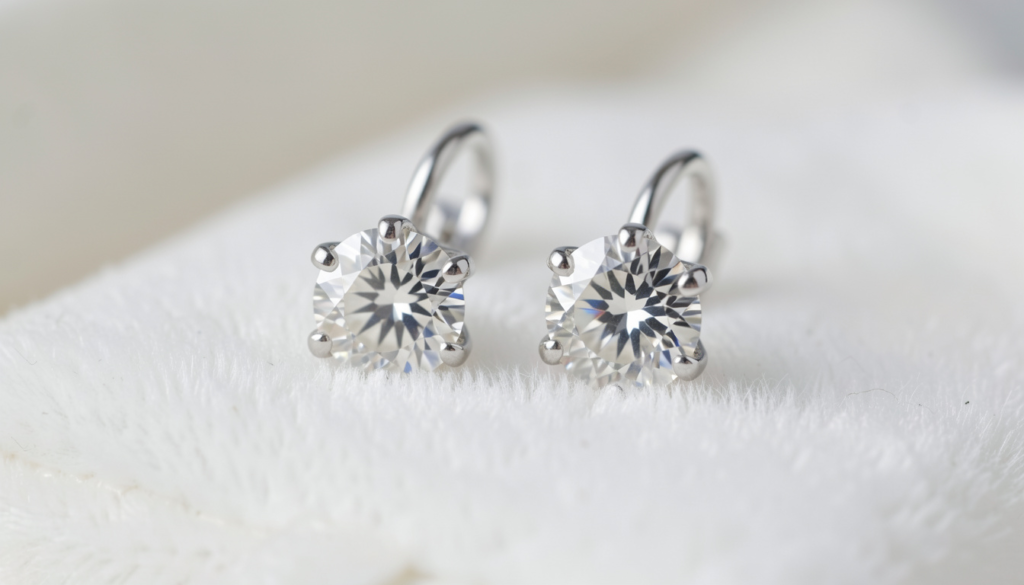
Here’s something I’ve learned through years of jewelry shopping: you can be more flexible with diamond earring quality than with engagement rings.
Since diamond earrings aren’t examined as closely as finger rings, you can often select slightly lower clarity grades without anyone noticing. This smart approach lets you maximize size or quality in other areas while staying within budget.
Popular Diamond Earring Styles
Diamond earrings come in countless styles. Let’s explore the most popular options to help you find your perfect match.
Diamond Stud Earrings
Diamond stud earrings are the quintessential classic.
Simple, elegant, and endlessly versatile, studs feature a single diamond secured close to the earlobe. They’re perfect for daily wear and special occasions alike. Many women consider diamond stud earrings their jewelry wardrobe staple—and for good reason.
Stud sizes typically range from 0.25 carats total weight (both earrings combined) to 2 carats or more for those seeking serious sparkle. The most popular size falls between 0.50 and 1.00 carat total weight.
Settings for diamond stud earrings include:
- Prong settings: Four or six metal prongs hold the diamond, allowing maximum light exposure
- Bezel settings: Metal surrounds the diamond’s perimeter, offering security and a modern look
- Martini settings: Named for their martini-glass shape when viewed from the side, offering a sleek profile
Diamond Hoop Earrings
Diamond hoop earrings combine the classic hoop shape with diamond sparkle.
These earrings work beautifully for both casual and dressy occasions. Diamond hoops range from small, subtle huggie styles to large, glamorous statement pieces.
You’ll find several diamond hoop variations:
- Inside-outside hoops: Diamonds line both the front and back of the hoop
- Pavé hoops: Small diamonds set closely together cover the hoop’s surface
- Channel-set hoops: Diamonds sit within a metal channel for protection and sleek appearance
Diamond hoop earrings offer more visual impact than studs while remaining surprisingly wearable for everyday activities.
Diamond Drop Earrings
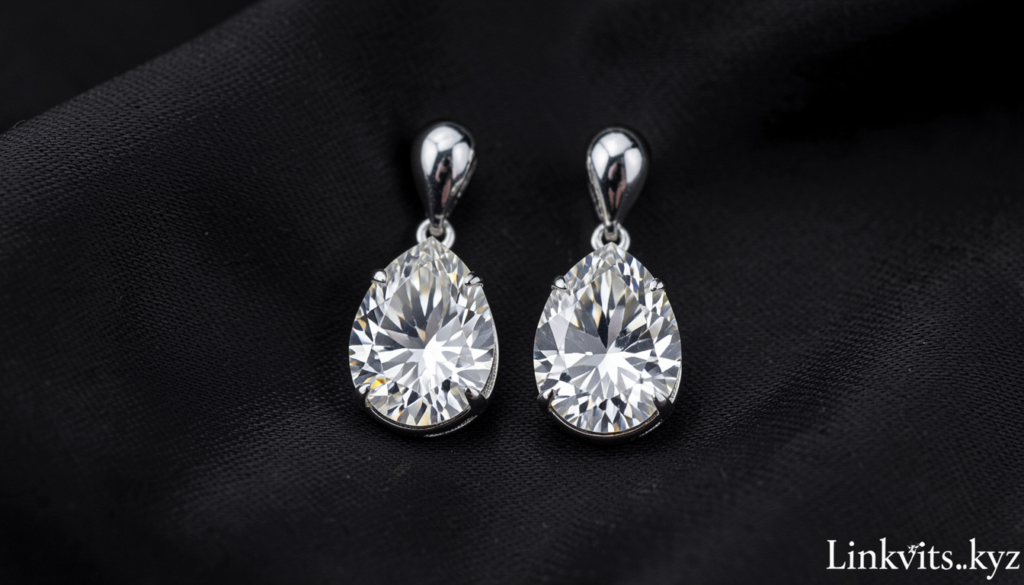
Diamond drop earrings dangle below the earlobe, creating elegant movement.
These earrings add sophistication to evening wear and special events. The design usually features diamonds cascading in various patterns—linear drops, floral clusters, or geometric arrangements.
Drop lengths vary considerably. Shorter drops (under one inch) work well for professional settings. Longer drops create drama perfect for formal occasions.
When choosing diamond drop earrings, consider your face shape. Longer drops elongate round faces, while wider designs balance narrow face shapes.
Diamond Chandelier Earrings
For maximum glamour, diamond chandelier earrings deliver stunning impact.
These elaborate designs feature multiple tiers of diamonds creating intricate, often dramatic patterns. Chandelier earrings work best for formal events, weddings, and special celebrations where you want to make a statement.
While chandelier diamond earrings command attention, they require confidence to wear. If you love bold jewelry, these earrings become cherished pieces for life’s most memorable moments.
Huggie Diamond Earrings
Huggie diamond earrings offer a contemporary alternative to traditional studs.
These small hoops “hug” the earlobe closely, featuring diamonds set around their circumference. Huggies provide more visual interest than studs while remaining comfortable and secure for all-day wear.
Many women appreciate huggie diamond earrings for their versatility—professional enough for work, pretty enough for dinner dates, and secure enough for active lifestyles.
Choosing the Right Diamond Earrings for Your Lifestyle
Your perfect diamond earrings depend on how you’ll wear them.
For Everyday Wear
If you want diamond earrings for daily use, prioritize comfort and security.
Diamond stud earrings between 0.50 and 1.00 carat total weight hit the sweet spot. They’re noticeable without being flashy. Screw-back or locking backs provide extra security for everyday activities.
Consider these practical factors:
- Weight: Heavier diamond earrings can cause discomfort during long wear
- Profile: Low-profile designs won’t catch on clothing or hair
- Durability: Secure settings protect diamonds during daily activities
For Special Occasions
Special event diamond earrings can embrace more drama.
Drop earrings, chandeliers, or larger diamond studs elevate formal attire beautifully. Since you’ll wear these less frequently, you can choose designs that prioritize impact over everyday practicality.
Match your diamond earrings to your event’s formality level. A black-tie gala calls for showstopping pieces, while a nice dinner might warrant elegant but understated designs.
For Professional Settings
Professional diamond earrings should enhance your credibility without distraction.
Smaller diamond studs (under 1.00 carat total weight) or modest huggie earrings work well in conservative business environments. They signal polish and attention to detail without overwhelming your professional presence.
In creative industries, you might have more flexibility. Just ensure your diamond earrings complement rather than compete with your overall presentation.
Metal Choices for Diamond Earrings
The metal you choose affects both appearance and durability.
White Gold Diamond Earrings
White gold provides a cool, modern backdrop for diamonds.
This popular choice enhances a diamond’s colorless appearance. White gold diamond earrings typically feature rhodium plating for extra shine and protection, though this plating requires occasional renewal.
Most white gold diamond earrings use 14K gold (58.3% pure gold) offering an ideal balance of durability and value.
Yellow Gold Diamond Earrings
Yellow gold creates warm, classic elegance.
This traditional choice pairs beautifully with diamonds, offering timeless appeal. Yellow gold diamond earrings often evoke vintage sophistication while remaining thoroughly modern.
Yellow gold also requires less maintenance than white gold since it doesn’t need replating.
Platinum Diamond Earrings
Platinum offers the ultimate in luxury and durability.
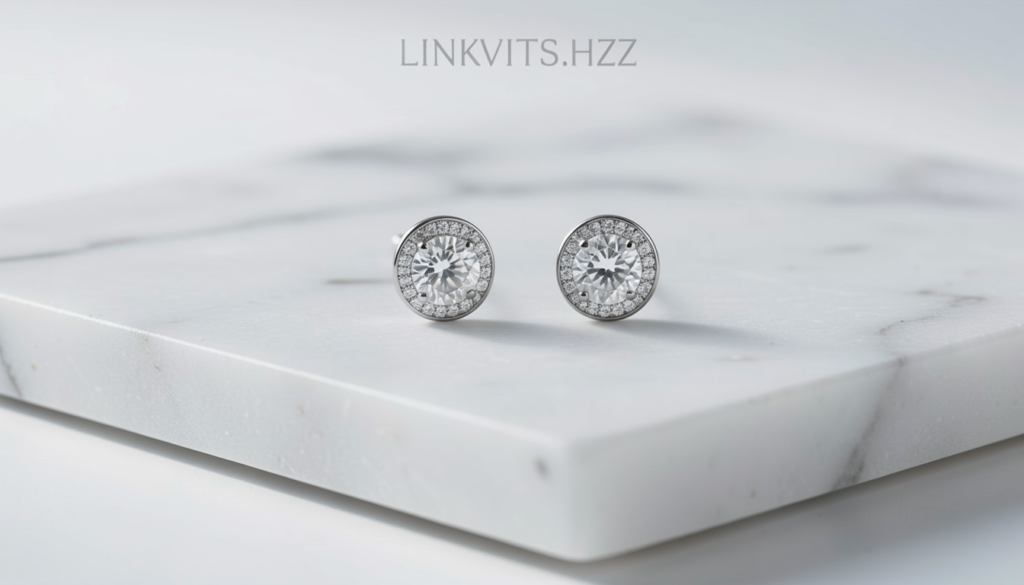
This naturally white metal doesn’t require plating and resists tarnishing beautifully. Platinum diamond earrings represent a premium choice, both in appearance and price.
The density of platinum makes it hypoallergenic and ideal for sensitive ears. While more expensive, platinum’s durability means your diamond earrings will last generations.
Rose Gold Diamond Earrings
Rose gold brings romantic, contemporary flair to diamond earrings.
This trendy metal has surged in popularity recently. The pinkish hue complements many skin tones beautifully and creates a softer, more modern aesthetic than traditional metals.
Rose gold diamond earrings work particularly well for those who prefer unique, fashion-forward jewelry.
Diamond Earring Settings and Backings
Settings and backings might seem like minor details, but they significantly impact wearability and security.
Prong Settings
Prong settings use small metal claws to secure diamonds.
This classic approach allows maximum light to enter the diamond, enhancing brilliance. Four-prong settings offer a modern look, while six-prong settings provide extra security for valuable stones.
Bezel Settings
Bezel settings surround the diamond with a thin metal rim.
This contemporary style offers excellent protection for active lifestyles. The metal frame creates a sleek, modern aesthetic while keeping diamonds secure.
Backing Types
The backing system affects comfort, security, and ease of use:
- Push backs (friction backs): Simple and common, but can loosen over time
- Screw backs: Extremely secure, ideal for valuable diamond earrings
- Locking backs: Combine security with easier use than screw backs
- Lever backs: Common in drop earrings, offering good security
For valuable diamond earrings, invest in secure backings. Lost earrings cause heartbreak that quality backings easily prevent.
Budget Considerations for Diamond Earrings
Diamond earrings span enormous price ranges.
Entry-Level Diamond Earrings ($200-$1,000)
Quality diamond earrings start around $200 for small studs (0.10-0.25 carat total weight).
At this level, expect smaller diamonds with moderate quality grades. These pieces work beautifully as first diamond earrings or everyday basics.
Mid-Range Diamond Earrings ($1,000-$5,000)
This range offers excellent quality and noticeable size.
You’ll find diamond stud earrings from 0.50 to 1.50 carats total weight, or beautiful hoop and drop designs. The quality typically reaches higher color and clarity grades that show real sparkle.
Luxury Diamond Earrings ($5,000+)
Premium diamond earrings feature larger stones, exceptional quality, or elaborate designs.
At this investment level, you’re purchasing heirloom pieces. These diamond earrings become cherished family treasures passed down through generations.
Smart Shopping Strategies
Maximize your budget with these approaches:
- Slightly lower clarity grades (SI1-SI2) look clean in earrings
- Near-colorless diamonds (G-H) appear white when worn
- Shop sales during holidays for significant savings
- Consider total weight instead of per-diamond size for larger appearance
Caring for Your Diamond Earrings
Proper care keeps diamond earrings sparkling for generations.
Regular Cleaning
Diamond earrings accumulate oils, lotions, and debris that dull their sparkle.
Clean your diamond earrings weekly using warm water, mild dish soap, and a soft toothbrush. Gently scrub around the diamonds and setting, then rinse thoroughly and pat dry with a lint-free cloth.
For deep cleaning, professional jewelers use ultrasonic cleaners that safely remove stubborn buildup. Schedule professional cleanings annually.
Safe Storage
Store diamond earrings separately to prevent scratching.
Individual soft pouches or compartmentalized jewelry boxes work perfectly. Never toss diamond earrings loosely into jewelry boxes where they might scratch other pieces or get scratched themselves.
Inspection and Maintenance
Check your diamond earrings regularly for loose stones or damaged settings.
Gently wiggle each diamond. If it moves, visit a jeweler immediately for tightening. Catching loose settings early prevents devastating diamond loss.
Professional jewelers should inspect valuable diamond earrings annually, checking settings and backings for wear.
What to Avoid
Protect your diamond earrings by avoiding:
- Harsh chemicals: Remove diamond earrings before using cleaning products or chlorine
- Physical activities: Take off earrings during sports, exercise, or rough activities
- Sleep: Remove diamond earrings before bed to prevent damage or loss
- Hair styling: Apply hairspray and styling products before putting on diamond earrings
Diamond Earrings for Different Face Shapes
The right diamond earring style flatters your unique features.
Round Faces
Elongated designs work beautifully with round faces.
Drop diamond earrings and longer chandelier styles create visual length. Avoid large round studs or wide hoop designs that emphasize facial roundness.
Oval Faces
Lucky you—oval faces suit nearly every diamond earring style.
Studs, hoops, drops, and chandeliers all work beautifully. Experiment with different designs to find your favorites.
Square Faces
Softer, curved designs complement angular jaw lines.
Round hoop diamond earrings and curved drop designs balance square features. Avoid geometric or angular designs that emphasize face angles.
Heart-Shaped Faces
Wider designs balance narrow chins beautifully.
Chandelier diamond earrings and wider cluster designs create lovely proportion. Avoid overly narrow, elongated styles.
Synthetic vs. Natural Diamonds in Earrings
Modern diamond earring shoppers face a new choice: lab-grown or natural diamonds.
Lab-Grown Diamond Earrings
Laboratory-created diamonds possess identical physical and chemical properties to natural diamonds.
They’re real diamonds—just grown in weeks rather than millennia. Lab-grown diamond earrings cost 30-40% less than comparable natural stones, allowing you to afford larger or higher-quality diamonds.
The environmental impact of lab-grown diamonds appeals to eco-conscious buyers. However, they currently have lower resale value than natural diamonds.
Natural Diamond Earrings
Natural diamonds formed billions of years ago deep within the Earth.
Many buyers value this natural origin and geological rarity. Natural diamond earrings typically hold value better over time and carry traditional prestige.
The choice between lab-grown and natural diamond earrings depends on your priorities: budget maximization, environmental concerns, traditional value, or resale potential.
Buying Diamond Earrings: Where and How
Where you purchase diamond earrings significantly affects quality, price, and satisfaction.
Traditional Jewelry Stores
Local jewelers offer personalized service and the ability to see diamond earrings in person.
Building relationships with reputable local jewelers provides ongoing benefits: repairs, cleanings, and expert advice. However, prices typically run higher than online retailers.
Online Diamond Retailers
Online diamond earring retailers offer competitive pricing and vast selection.
Established online jewelers provide detailed specifications, high-quality photos, and generous return policies. Research thoroughly, read reviews, and ensure secure payment systems.
Buying diamond earrings online requires trust but often delivers excellent value.
What to Look For
Regardless of where you shop, demand:
- Certification: Reputable grading reports from GIA, AGS, or IGI for diamonds over 0.30 carats
- Clear return policies: At least 30 days for returns or exchanges
- Detailed specifications: Complete information about the Four Cs
- Quality guarantees: Warranties covering defects and workmanship
Red Flags to Avoid
Skip retailers who:
- Refuse to provide diamond certifications
- Pressure you into immediate purchases
- Offer deals that seem impossibly cheap
- Can’t explain diamond quality factors clearly
Diamond Earrings as Gifts
Diamond earrings make extraordinary gifts for life’s important moments.
Milestone Celebrations
Diamond earrings beautifully commemorate:
- Graduations: Symbolizing achievement and new beginnings
- Anniversaries: Classic gifts for various anniversary years
- Birthdays: Especially significant birthdays like 30, 40, or 50
- Career achievements: Promotions, business successes, or retirements
Choosing Diamond Earrings for Someone Else
Gifting diamond earrings requires thoughtful consideration:
Pay attention to their existing jewelry. Do they prefer gold or silver tones? Classic or modern styles? Large or subtle pieces?
Consider their lifestyle. Active individuals appreciate secure settings and comfortable designs. Conservative professionals might prefer modest sizes.
When uncertain, classic diamond stud earrings in the 0.50-1.00 carat range suit nearly everyone.
Gift Presentation
Enhance the impact of diamond earring gifts with thoughtful presentation.
Quality jewelry boxes add perceived value. Consider including care instructions and certification documents. A heartfelt note explaining why you chose diamond earrings makes the gift even more meaningful.
Trending Styles in Diamond Earrings
While diamond earrings remain timeless, certain styles surge in popularity.
Mixed Metal Designs
Contemporary diamond earrings increasingly feature multiple metal tones.
Two-tone or three-tone designs create visual interest and versatility. These earrings coordinate with various jewelry pieces regardless of metal type.
Asymmetrical Diamond Earrings
Fashion-forward buyers embrace mismatched diamond earring pairs.
These intentionally asymmetrical designs make bold style statements. One earring might feature a stud while the other displays a drop, or sizes might deliberately vary.
Colored Diamond Accents
While white diamonds dominate, colored diamond accents add unique personality.
Champagne, cognac, black, or fancy colored diamonds create distinctive looks. These diamonds work beautifully in contemporary and vintage-inspired designs.
Sustainable and Ethical Diamond Earrings
Conscious consumers increasingly prioritize ethical sourcing.
Jewelry brands now emphasize conflict-free diamonds, recycled metals, and transparent supply chains. Lab-grown diamond earrings also appeal to environmentally aware buyers.
Conclusion
Diamond earrings represent more than beautiful accessories—they’re investments in confidence, style, and lasting value.
Whether you’re drawn to classic diamond stud earrings for everyday elegance, statement chandelier designs for special occasions, or contemporary huggie styles for modern flair, the perfect pair awaits you. Understanding diamond quality, exploring various styles, and knowing your priorities empowers you to choose diamond earrings that you’ll treasure forever.
Remember that the best diamond earrings aren’t necessarily the largest or most expensive. They’re the ones that make you feel beautiful, confident, and authentically yourself. Trust your instincts, do your research, and invest in quality pieces that will bring joy for years to come.
What style of diamond earrings speaks to you? Whether this is your first pair or your next addition, may you find exactly what makes your heart sing.
Frequently Asked Questions
1. How much should I spend on diamond earrings?
Budget recommendations vary by purpose. For everyday diamond earrings, many experts suggest spending what feels comfortable—often $500-$2,000 for quality pieces. Special occasion or heirloom diamond earrings might warrant $2,000-$10,000 or more. Ultimately, spend what aligns with your financial situation and the earrings’ intended significance.
2. What’s the best diamond size for everyday earrings?
For daily wear, diamond stud earrings between 0.50 and 1.00 carat total weight hit the sweet spot. This size offers noticeable sparkle without being ostentatious or uncomfortable. Smaller sizes (0.25-0.50 carats) work for conservative environments, while larger sizes (1.00+ carats) suit those who love statement jewelry.
3. Are lab-grown diamond earrings worth buying?
Lab-grown diamond earrings offer excellent value for budget-conscious buyers or those prioritizing environmental concerns. They’re real diamonds with identical properties to natural stones, just created in laboratories. They cost 30-40% less, allowing you to afford larger or higher-quality diamonds. However, they currently have lower resale value than natural diamond earrings.
4. How do I keep my diamond earrings from falling out?
Secure backings prevent lost diamond earrings. Screw backs offer maximum security for valuable pieces. Locking backs provide good security with easier use. Check backings regularly for wear or looseness. Consider insurance for expensive diamond earrings regardless of backing type.
5. Can I wear diamond earrings every day?
Absolutely! Many women wear diamond stud earrings daily. Choose comfortable sizes, secure settings, and durable metals like 14K gold or platinum for everyday diamond earrings. Remove them during sleep, exercise, or activities that might damage them. Regular cleaning maintains their sparkle despite daily wear.
6. What metal is best for diamond earrings?
The “best” metal depends on personal preference and budget. White gold offers modern elegance at moderate prices but requires periodic replating. Yellow gold provides classic warmth with easy maintenance. Platinum delivers ultimate durability and hypoallergenic properties at premium prices. Rose gold creates romantic, contemporary aesthetics. Choose based on your existing jewelry and skin tone.
7. How do I clean my diamond earrings at home?
Create a simple cleaning solution with warm water and mild dish soap. Soak diamond earrings for 15-20 minutes, then gently scrub with a soft toothbrush, paying attention to diamond settings where dirt accumulates. Rinse thoroughly under warm running water and pat dry with a lint-free cloth. Clean weekly for optimal sparkle.
8. What’s the difference between diamond studs and diamond clusters?
Diamond stud earrings feature single diamonds per earring, creating classic simplicity. Diamond cluster earrings group multiple smaller diamonds together to create the appearance of larger stones. Clusters offer more sparkle at lower cost since small diamonds cost less per carat than large stones. Both styles work beautifully for different aesthetic preferences.
9. Should diamond earrings be certified?
Certification from reputable laboratories (GIA, AGS, IGI) provides assurance of diamond quality. For diamond earrings with stones over 0.30 carats each, certification strongly recommended. It verifies the Four Cs and provides documentation for insurance purposes. Smaller diamonds in earrings don’t necessarily need individual certificates, though overall quality specifications should still be provided.
10. How do I store diamond earrings safely?
Store diamond earrings separately from other jewelry to prevent scratching. Individual soft pouches or compartmentalized jewelry boxes work perfectly. Keep them in a cool, dry place away from direct sunlight. For valuable diamond earrings, consider a home safe or safety deposit box. Always remove diamond earrings before storing to avoid losing them during rushed moments.
Also Read : Ariana Grande Perfume