Introduction
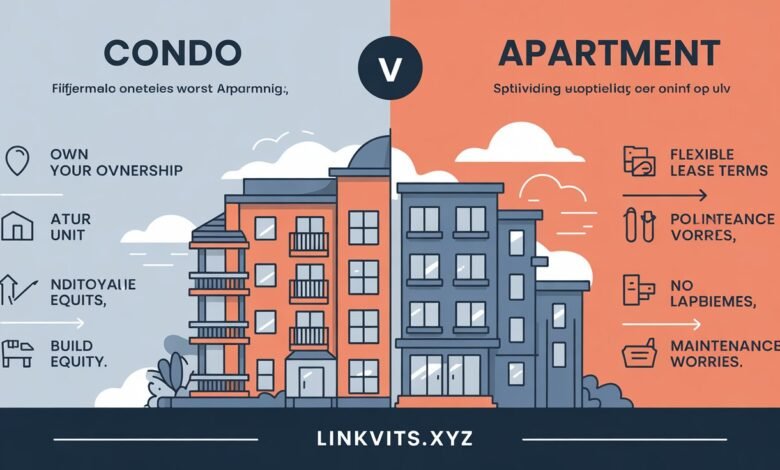
So you’re searching for a new place to live, and you keep seeing two words pop up everywhere — condo and apartment. They might look almost identical from the outside, and sometimes even from the inside. But here’s the thing: condo vs apartment is not just a matter of square footage or location. It’s a difference in ownership, rules, costs, and the kind of lifestyle you’re signing up for.
Understanding the condo vs apartment distinction can save you money, frustration, and a lot of “wait, I didn’t know that” moments down the road. Whether you’re a first-time renter, someone looking to buy, or just trying to figure out which option fits your life better, this guide breaks it all down for you. We’ll cover ownership structures, costs, rules, pros and cons, and everything in between — so by the end, you’ll know exactly which direction to go.
What Is a Condo vs Apartment, Really?
Before we dive deep, let’s get the basics straight.
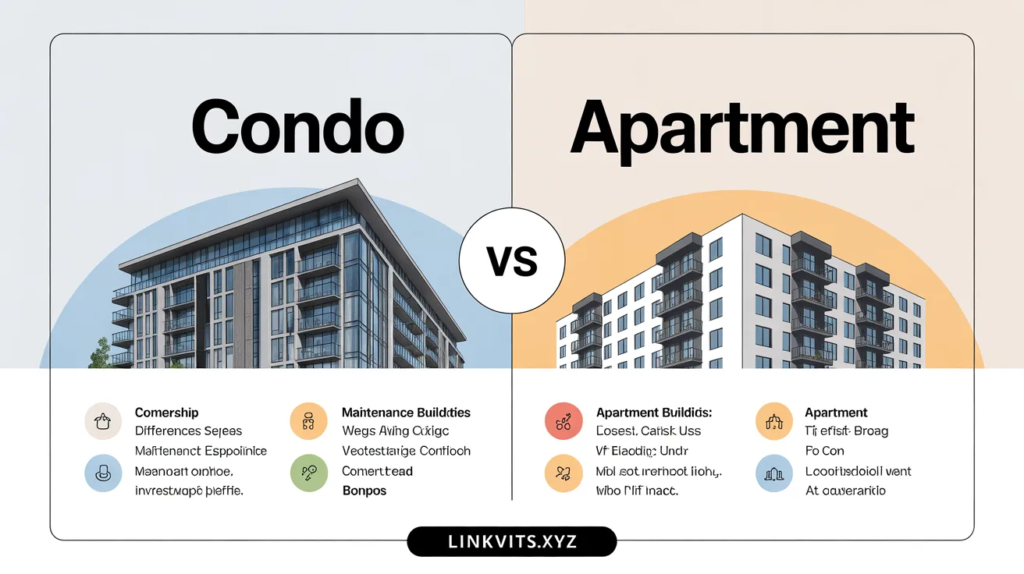
A condo (short for condominium) is an individually owned unit inside a larger building or complex. Each unit has its own owner — that could be a real estate investor, a private landlord, or someone who just bought it as their home. When you rent a condo, you’re renting directly from that individual owner.
An apartment, on the other hand, is typically owned by a single company or property management group. That company owns the entire building and rents out individual units to tenants. You’re not dealing with a private landlord — you’re dealing with a business.
That single distinction — private owner vs corporate landlord — is the root of almost every other difference between the two. And once you understand it, everything else starts to make sense.
Who Owns What? Understanding the Ownership Structure
Condo Ownership: It’s Personal
When you move into a condo, you’re living in someone’s personal investment. The person who owns your unit may have purchased it years ago, renovated it with their own taste, and now rents it out for income. That’s why condos often feel more customized. You might find nicer flooring, upgraded appliances, or a fresh coat of paint in a bold color.
But personal ownership also means personal rules. Your landlord sets the terms — within reason and within local law — but they have more flexibility than a corporate apartment complex does. Some condo owners are incredibly responsive and treat their tenants like family. Others? Not so much. Your experience can vary wildly from unit to unit, even in the same building.
Apartment Ownership: It’s Corporate
Apartments are owned by companies. That means policies are standardized across the building. Everyone gets the same lease structure, the same maintenance process, the same rules. There’s less variation, but also more predictability.
If something breaks in an apartment, you submit a maintenance request through a portal and someone comes to fix it — usually within a few days. It’s transactional. It works. But it rarely feels personal.
The Cost Comparison: Condo vs Apartment
Rent Prices
In most markets, condos tend to cost more to rent than apartments. That’s because condo owners typically paid a premium to purchase their unit, and they need to cover their mortgage, HOA fees, property taxes, and maintenance. They pass some of that cost on to you.
Apartments benefit from economies of scale. When one company owns 300 units, their per-unit maintenance and management costs go down. That can translate to slightly lower rent — though in competitive markets, the gap has narrowed significantly.
That said, the price difference isn’t always dramatic. In some cities, a condo and an apartment of the same size in the same neighborhood might be priced similarly. Always compare unit by unit rather than assuming one will be cheaper.
Security Deposits and Fees
Condo landlords often ask for higher security deposits because they’re protecting their personal investment. Some may also charge fees for things like parking or pet policies set at their own discretion.
Apartments usually have more standardized deposit structures. They’re more likely to advertise specials like “first month free” or “no deposit required” because they’re trying to fill multiple units at once.
Hidden Costs to Watch For
With condos, watch out for:
- HOA rules that could limit how you use the space
- Landlord-imposed restrictions (no painting, no nails in walls, etc.)
- Less flexibility on lease renewals
With apartments, watch out for:
- Utility markups or valet trash fees
- Amenity fees baked into rent
- Annual rent increases managed by a corporate pricing algorithm
Rules and Regulations: Who’s Really in Charge?
This is where condo vs apartment living gets a little complicated — especially with condos.
The HOA Layer in Condos
Every condo building has a Homeowners Association (HOA). The HOA sets rules for the entire building — things like noise curfews, pet policies, parking rules, and even what you can put on your balcony. Your landlord (the unit owner) must follow HOA rules. And so must you, as a tenant.
So when you rent a condo, you’re actually accountable to two sets of rules: your landlord’s lease terms, and the HOA’s community rules. If you violate an HOA rule, the HOA could fine your landlord — and your landlord might come after you.
That can feel like a lot of oversight. But it also means the building is likely well-maintained and the neighbors are generally held to a standard.
Apartment Rules: One Source of Authority
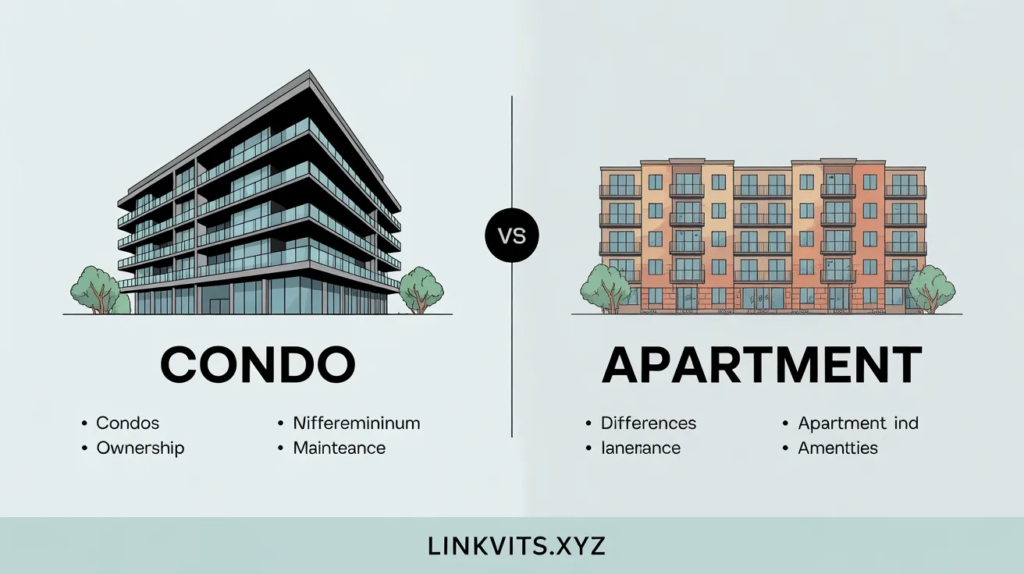
In an apartment, there’s one rulebook — the property management company’s lease and community guidelines. That makes things cleaner and easier to understand. You know exactly who to call when something goes wrong, and there’s no confusion about which rule takes priority.
The downside? Corporate management companies can sometimes feel impersonal. They’re managing dozens or hundreds of units. To them, you’re account number 4B, not a person.
Amenities: Where Do You Get More Bang for Your Buck?
Condo Amenities
Because condos are part of HOA-managed buildings, they often come with solid amenities — pools, gyms, rooftop terraces, concierge services. The HOA fees that owners pay typically fund these. As a renter, you often get access to these amenities as part of your lease.
The quality and condition of these amenities depend on how well the HOA manages the building. In a well-run condo community, everything is beautifully maintained. In a poorly managed one, you might find a gym with broken equipment that’s been “out of order” for six months.
Apartment Amenities
Luxury apartment complexes have invested heavily in amenities over the last decade. Co-working lounges, dog parks, resort-style pools, smart package lockers — new apartments are pulling out all the stops to attract renters.
Older apartment buildings may offer fewer amenities, but they often come at a lower price point. It really depends on the age and class of the property.
In general, newer high-end apartments and well-run condo buildings are fairly matched on amenities. Older buildings in either category can be hit or miss.
Maintenance and Repairs: Who Fixes What?
Condo Maintenance Experience
When something breaks in a condo — a leaky faucet, a broken dishwasher — you contact your landlord directly. This can be a great experience if your landlord is attentive and local. I’ve heard plenty of stories from friends who say their condo landlord fixed things the same day, no questions asked. Personal investment means personal motivation to keep the property in good shape.
But if your landlord is an out-of-state investor who manages their properties remotely? That same leaky faucet might take two weeks and three follow-up texts to get fixed.
Apartment Maintenance Experience
Apartment complexes have maintenance teams on staff or on call. You submit a ticket, they show up. The process is standardized. For most minor repairs, apartments handle it efficiently.
Where apartments can fall short is responsiveness during peak times — like move-in season — when maintenance teams are stretched thin. And because you’re dealing with a team, not an individual, there’s less personal accountability.
Stability and Flexibility: Which Is Better for Your Situation?
Renting a Condo: The Stability Question
Here’s something that catches a lot of condo renters off guard. When you rent from an individual owner, you’re exposed to their personal financial situation. If your landlord decides to sell the unit, you may need to move — even if you’ve been a great tenant and love the space.
Some states have tenant protections that give you notice periods or first right of refusal to buy, but not everywhere. This is a real consideration if you’re looking for long-term stability.
Apartment Leases: More Predictable
Corporate apartment management companies aren’t selling off individual units. They’re running a long-term rental business. That gives you more predictability around lease renewals. As long as you’re a good tenant, they generally want you to stay — because turnover costs them money.
If long-term stability matters to you and you’re not planning to buy anytime soon, apartments may offer a more secure rental situation.
The Lifestyle Factor: Which Feels More Like Home?
Condo Living
Condos often feel more like home because they’re designed and finished by an individual with their own taste. You might get hardwood floors, stone countertops, or a renovated bathroom that you’d never find in a standard apartment unit. That personal touch makes a big difference in day-to-day comfort.
Condo communities also tend to be quieter and more private. There are fewer transient residents. People who live in condo buildings — whether owners or long-term renters — often treat the space with more care.
Apartment Living
Apartments offer convenience and community. Larger complexes often have social events, easy online payment systems, and professional management that makes living there frictionless. If you like things handled quickly and efficiently without building a personal relationship with your landlord, apartments deliver that.
For people who move frequently or value flexibility, apartments are often the easier choice. The lease terms, move-in process, and overall experience are predictable.
Buying vs Renting: Should You Buy a Condo?
Since we’re talking about condo vs apartment, it’s worth addressing the buying angle — because condos can be purchased, not just rented.
Buying a condo makes sense if:
- You want to build equity instead of paying rent
- You plan to stay in one city for five or more years
- You want the flexibility of ownership without the maintenance of a standalone house
- You’re in a city where single-family homes are financially out of reach
But buying a condo comes with its own set of challenges — HOA fees, special assessments, resale limitations, and the complexity of condo association politics. Do your research before you commit.
If you’re not ready to buy, renting is the better move regardless of whether it’s a condo or apartment.
Quick Comparison: Condo vs Apartment at a Glance
| Feature | Condo | Apartment |
|---|---|---|
| Ownership | Individual owner | Corporate/management company |
| Rent price | Often slightly higher | Usually competitive or lower |
| Amenities | HOA-managed, varies | Standardized, often modern |
| Rules | HOA + landlord rules | One set of company rules |
| Maintenance | Landlord dependent | Standardized team |
| Stability | Less (owner can sell) | More predictable |
| Customization | Often higher-end finishes | Standard and uniform |
| Lease flexibility | Varies by landlord | Standard process |
How to Decide: Condo vs Apartment for You
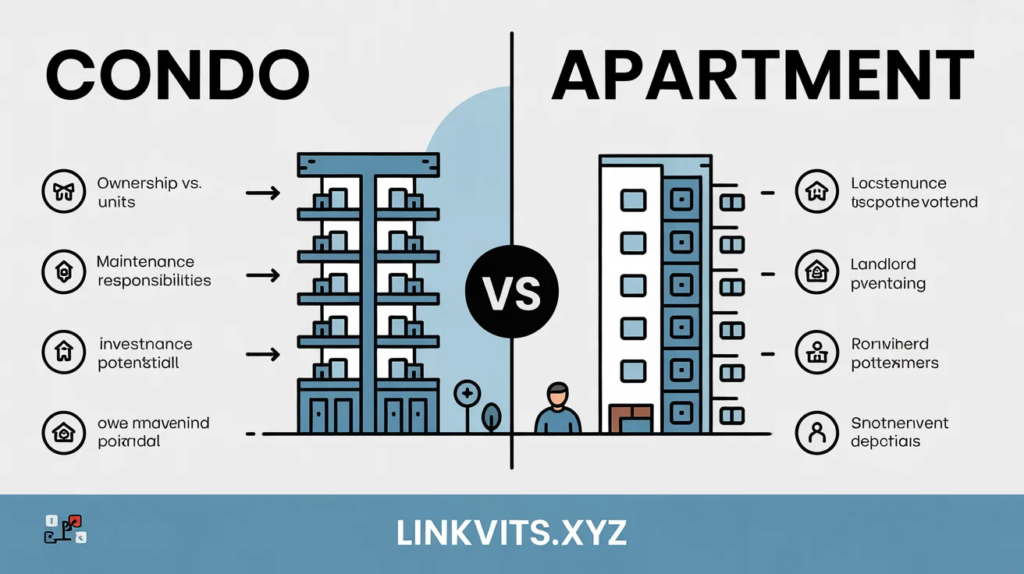
Ask yourself these questions:
Choose a condo if:
- You love unique, well-finished spaces
- You prefer dealing with a personal landlord
- You’re okay with HOA rules and a potentially smaller community
- You value quality over standardization
Choose an apartment if:
- You want a predictable, hassle-free rental experience
- You move frequently or need flexible lease terms
- You want modern amenities managed by a professional team
- Long-term stability matters more than unique finishes
There’s no universal right answer in the condo vs apartment debate. It comes down to your priorities, your budget, and where you are in life right now.
Conclusion
The condo vs apartment decision isn’t as simple as it might seem at first glance. Both options offer real benefits — and both come with trade-offs. Condos give you a more personal, often higher-quality living experience, but come with more complexity around rules, ownership risk, and landlord variability. Apartments offer convenience, consistency, and stability, but can feel less personal and more transactional.
The best choice is the one that fits your lifestyle, your budget, and your long-term plans. Take your time touring both types of spaces. Ask questions about who owns the unit, what the HOA rules say, and who handles maintenance. The more you know going in, the fewer surprises you’ll face once you’re settled.
Which one are you leaning toward — the personal charm of a condo or the smooth predictability of an apartment? Drop your thoughts in the comments or share this with someone who’s apartment hunting right now.
Frequently Asked Questions
1. What is the main difference between a condo and an apartment? The main difference is ownership. A condo is owned by an individual who rents it out. An apartment is owned by a company that manages the entire building. This affects everything from rent prices to maintenance and rules.
2. Is renting a condo cheaper than renting an apartment? Not always. Condos often cost slightly more because owners need to cover their mortgage and HOA fees. But prices vary by location, so always compare similar units in the same area before assuming one is cheaper.
3. Are condos better quality than apartments? Condos are often finished to a higher standard because individual owners invest in their personal space. But quality varies widely. Some apartments — especially newer luxury buildings — are just as well-finished as condos.
4. Can I be evicted from a condo if the owner decides to sell? Yes, this is possible. If the condo owner sells their unit, you may be required to move after your lease ends. Some states offer protections, but you should ask about this before signing any condo lease.
5. Do condo renters have to follow HOA rules? Yes. As a condo tenant, you’re subject to both your landlord’s lease terms and the building’s HOA rules. Make sure you get a copy of both before you move in.
6. Which is better for long-term renting — a condo or an apartment? Apartments typically offer more stability for long-term renters because the building isn’t being sold off unit by unit. If you plan to stay for several years, an apartment might be the safer choice.
7. What happens if something breaks in a rented condo? You contact your landlord directly. The experience depends entirely on how responsive your individual landlord is. This can be fantastic or frustrating — it varies person to person.
8. Can you negotiate rent in a condo vs apartment? You’re often more likely to negotiate with a condo owner, since they’re an individual with flexibility. Corporate apartment companies usually have less room to negotiate, though they may offer move-in specials.
9. Do condos have amenities like apartments? Yes. Condo buildings managed by an HOA often have amenities like pools, gyms, and common areas. The quality depends on how well the HOA maintains the building and how much residents pay in HOA fees.
10. Is buying a condo a good investment? It can be, especially in cities with high home prices. Buying a condo lets you build equity without maintaining a full house. But factor in HOA fees, resale values in your area, and long-term plans before deciding.
Also Read: Posiciones de MLS
| Author: Johan Harwen |
| E-mail: johanharwen314@gmail.com |
| Bio: Johan Harwen is a passionate tourist who has explored countless destinations across the globe. With an eye for hidden gems and local cultures, he turns every journey into an unforgettable story worth sharing. |