Introduction
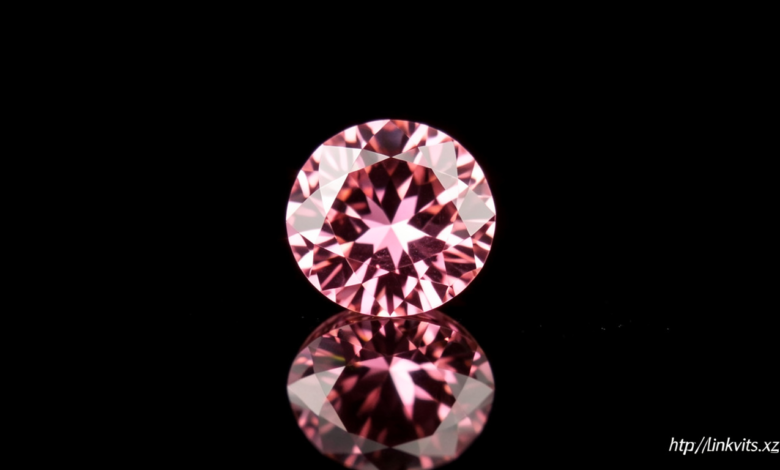
Have you ever seen a pink diamond and felt your heart skip a beat? There’s something absolutely magical about these rare gems that sets them apart from every other diamond in the world. Pink diamonds aren’t just beautiful—they’re phenomenally rare, incredibly valuable, and utterly captivating.
If you’re curious about pink diamonds, you’re in the right place. Maybe you’re considering buying one for an engagement ring. Perhaps you’re interested in investing in colored diamonds. Or you might simply want to understand what makes these stones so special. Whatever brought you here, I’m going to walk you through everything you need to know about pink diamonds.
In this guide, you’ll discover where pink diamonds come from, what creates their mesmerizing color, how to evaluate their quality, and why they command such extraordinary prices. By the end, you’ll understand exactly what makes pink diamonds one of nature’s most precious gifts.
What Makes Pink Diamonds So Special?
Pink diamonds are among the rarest gemstones on Earth. While regular white diamonds are relatively common, pink diamonds represent less than 0.1% of all diamonds mined globally. That means for every million diamonds discovered, only about 1,000 will be pink—and most of those will be tiny.
The scarcity of pink diamonds drives their exceptional value. But rarity alone doesn’t tell the whole story. These gems possess a unique beauty that’s hard to describe until you see one in person. The color ranges from delicate blush tones to deep, vivid rose hues. Each stone has its own personality and character.
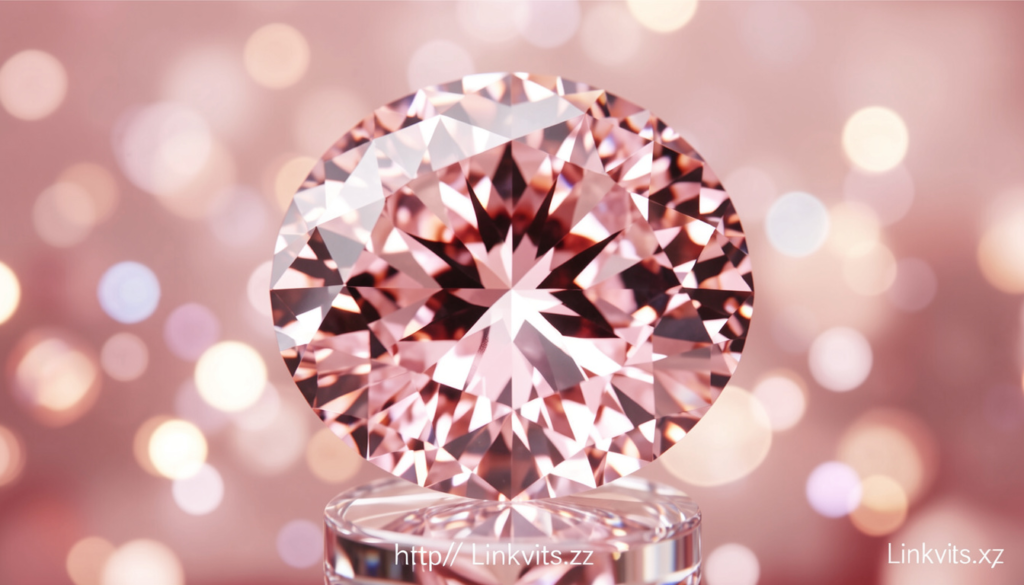
What really sets pink diamonds apart is how they interact with light. The pink color combined with brilliant diamond sparkle creates an enchanting visual effect. You get the fire and brilliance of a diamond with the romance of a colored gemstone. It’s truly the best of both worlds.
Many celebrities and collectors have fallen in love with pink diamonds. Ben Affleck famously proposed to Jennifer Lopez with a pink diamond ring. These stones have become symbols of extraordinary love, luxury, and refined taste.
Where Do Pink Diamonds Come From?
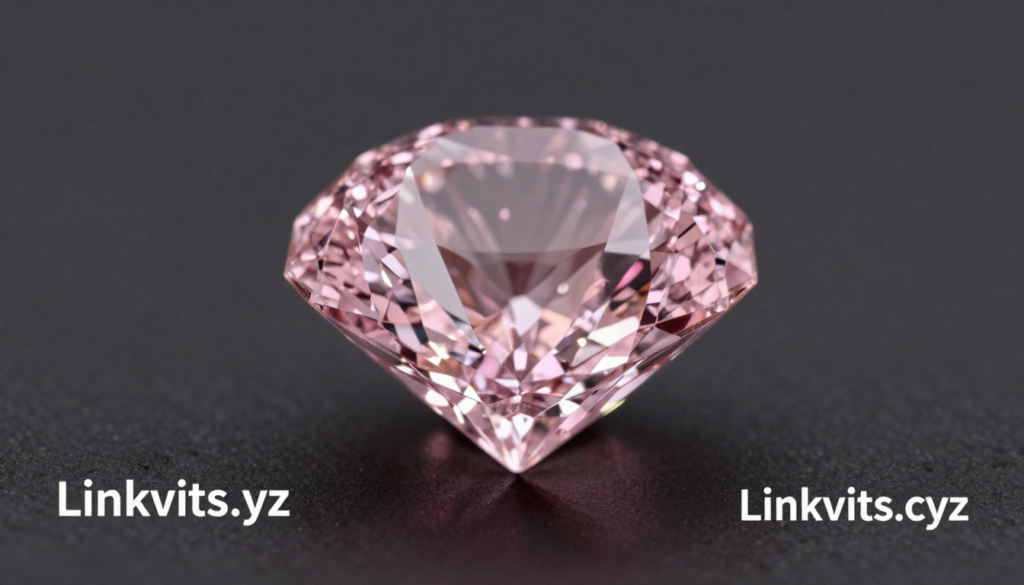
The story of pink diamonds begins deep underground in Western Australia. The Argyle Mine, located in the remote Kimberley region, produced over 90% of the world’s pink diamonds for nearly four decades. This single mine was responsible for almost every pink diamond you’ve ever seen.
Here’s something important: the Argyle Mine closed permanently in November 2020. This closure has sent shockwaves through the diamond world. The already rare pink diamonds have become even more scarce. Prices have continued to climb as existing supplies dwindle.
Today, pink diamonds occasionally appear in mines across Brazil, Russia, South Africa, and Canada. However, these sources produce far fewer pink diamonds than Argyle did. The colors and qualities from these alternative sources often differ from the famous Argyle pinks too.
The closure of the Argyle Mine means one thing: pink diamonds are now a finite resource. Every pink diamond in existence today is essentially it. No significant new supply is coming. This reality makes existing pink diamonds even more valuable and sought-after.
I always tell people interested in pink diamonds to think of them as owning a piece of geological history. These stones took billions of years to form, and the primary source is gone forever. That’s pretty remarkable when you think about it.
What Causes the Pink Color in Diamonds?
Here’s where things get scientifically fascinating. Unlike other colored diamonds, the pink color in diamonds remains somewhat mysterious. Scientists don’t have a complete understanding of what creates this beautiful hue.
Most colored diamonds get their color from chemical impurities. Yellow diamonds contain nitrogen. Blue diamonds contain boron. But pink diamonds are chemically pure carbon—the same as colorless diamonds. So where does the pink come from?
The leading theory involves structural defects in the diamond’s crystal lattice. During formation, intense pressure and heat caused the carbon atoms to shift slightly. This distortion changes how the diamond absorbs light. When white light enters the stone, it absorbs green wavelengths and reflects pink ones.
Scientists call this phenomenon “plastic deformation.” It’s like the diamond was squeezed so hard during formation that its internal structure permanently changed. Only specific geological conditions can create this effect. That’s why pink diamonds are so incredibly rare.
Some pink diamonds also contain trace elements or additional structural features that deepen their color. The exact combination of factors varies from stone to stone. Each pink diamond is truly unique at a molecular level.
Understanding Pink Diamond Color Intensity
Not all pink diamonds look the same. The Gemological Institute of America (GIA) grades pink diamond color intensity on a scale. Understanding this scale helps you evaluate quality and value.
The intensity grades from lightest to darkest are:
- Faint Pink – Very light color that’s barely visible
- Very Light Pink – Subtle pink hue that requires good lighting to see
- Light Pink – Noticeable pink color but still delicate
- Fancy Light Pink – Clear pink color that’s easily visible
- Fancy Pink – Medium pink intensity with good saturation
- Fancy Intense Pink – Strong, vivid pink color
- Fancy Vivid Pink – The deepest, most saturated pink possible
- Fancy Deep Pink – Dark pink with excellent saturation
Generally speaking, more intense colors command higher prices. A Fancy Vivid Pink diamond can sell for ten times more per carat than a Fancy Light Pink. The difference in price is dramatic.
However, personal preference matters too. Some people adore the subtle elegance of lighter pink diamonds. Others want the bold statement of a Fancy Vivid stone. Neither choice is wrong—it depends on your taste and budget.
When shopping for pink diamonds, always ask for GIA certification. This independent grading gives you confidence in the color grade you’re buying. Never rely solely on seller descriptions.
Pink Diamond Value Factors: The Four Cs
Like all diamonds, pink diamonds are evaluated using the Four Cs: Color, Clarity, Cut, and Carat weight. But with pink diamonds, these factors work a bit differently.
Color (The Most Important Factor)
For pink diamonds, color trumps everything else. A pink diamond with poor clarity but exceptional color will often be more valuable than a flawless diamond with weak color. The intensity, tone, and saturation of the pink hue determine most of the stone’s value.
You want pure pink without brown or gray modifiers when possible. Some pink diamonds have secondary colors like purple or orange. Purplish pink diamonds are highly desirable. Brownish pink diamonds are less valuable.
Clarity
Pink diamonds often have visible inclusions. Because they’re so rare, buyers accept lower clarity grades than they would for colorless diamonds. A pink diamond with VS2 or SI1 clarity is perfectly acceptable. The color is so captivating that small inclusions don’t diminish the beauty much.
That said, eye-clean stones (where you can’t see inclusions without magnification) are preferable. But don’t expect flawless pink diamonds unless you have an enormous budget.
Cut
Cut quality matters for brilliance and sparkle. However, cutters often sacrifice ideal proportions to preserve color and carat weight. Pink diamonds are so valuable per carat that losing even a small amount of weight is costly.
You’ll find pink diamonds in various shapes: round, cushion, oval, radiant, pear, and emerald cuts. Fancy shapes like cushion and radiant cuts often display color better than round brilliants. The cut choice affects how the color appears.
Carat Weight
Pink diamonds are typically small. Most weigh less than one carat. Stones over two carats are exceptionally rare and extraordinarily expensive. As carat weight increases, the price per carat increases exponentially, not linearly.
A two-carat pink diamond doesn’t cost twice as much as a one-carat stone. It might cost five or ten times more. The rarity factor multiplies with size.
Pink Diamond Price Guide
Let’s talk numbers. How much do pink diamonds actually cost? The answer varies wildly based on all those factors we just discussed.
For Fancy Light Pink diamonds, you might pay $20,000 to $50,000 per carat. That’s for decent quality stones. Fancy Pink diamonds jump to $50,000 to $150,000 per carat. Fancy Intense Pink diamonds range from $150,000 to $300,000 per carat or more.
Fancy Vivid Pink diamonds—the Holy Grail of pink diamonds—can exceed $500,000 per carat. Some have sold for over $1 million per carat at auction. The “Pink Star,” a 59.60-carat Fancy Vivid Pink, sold for $71.2 million in 2017. That’s about $1.2 million per carat.
These prices have risen dramatically over the past decade. Since the Argyle Mine closure announcement, prices increased by 30-50% for investment-grade stones. Many experts predict continued price appreciation.
For comparison, a high-quality colorless diamond might cost $10,000 to $30,000 per carat. Pink diamonds command multiples of that price. They’re genuinely in a different category of rarity and value.
If you’re on a budget, consider smaller stones or lighter color grades. A half-carat Fancy Light Pink diamond might cost $15,000 to $25,000 total. It’s still significant money, but more accessible than six-figure stones.
Pink Diamonds as Investment Assets
I’ve watched the pink diamond market evolve over the years. These stones have proven themselves as solid alternative investments. Let me explain why investors love pink diamonds.
First, there’s the supply-demand equation. Supply is permanently constrained with Argyle closed. Demand continues growing, especially from wealthy buyers in Asia. When supply drops and demand rises, prices go up. Basic economics.
Second, pink diamonds are portable wealth. A million dollars of pink diamonds fits in your pocket. Try doing that with real estate or gold bars. This portability makes them attractive for wealth preservation.
Third, pink diamonds have low correlation with stock markets. When stocks crash, pink diamond values typically remain stable. They’re an excellent portfolio diversifier. Financial advisors increasingly recommend allocating 5-10% of portfolios to tangible assets like colored diamonds.
Fourth, there’s historical performance. Over the past 20 years, investment-grade pink diamonds appreciated by approximately 10-12% annually. That outperforms many traditional investments. Past performance doesn’t guarantee future results, but the track record is impressive.
However, pink diamonds aren’t perfectly liquid. You can’t sell them instantly like stocks. Finding the right buyer takes time. Also, transaction costs (certification, insurance, dealer margins) can be significant. Think of pink diamonds as medium to long-term holdings, not short-term trades.
Only buy certified stones with proper documentation if you’re investing. Work with reputable dealers who specialize in colored diamonds. And never invest money you might need quickly.
Choosing the Perfect Pink Diamond
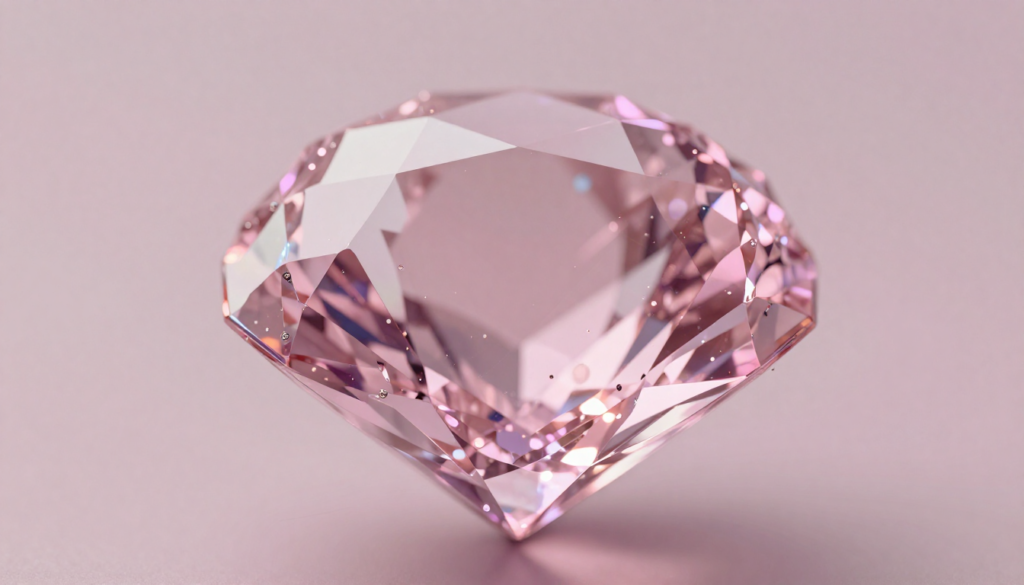
Shopping for pink diamonds requires different thinking than buying regular diamonds. Here’s my practical advice for finding the right stone.
Start with your budget. Be realistic about what you can afford. Pink diamonds exist at various price points. Don’t stretch beyond your means for a slightly better stone.
Prioritize color intensity. Get the best color grade your budget allows. You’ll appreciate intense color every time you look at the stone. Compromising on clarity is fine. Compromising on color is something you might regret.
See stones in person when possible. Pink diamond color can look different in photos versus reality. Natural daylight shows true color best. If buying online, work with dealers offering detailed videos and generous return policies.
Get proper certification. Always insist on GIA certification for pink diamonds. GIA is the gold standard. Their color grading is most trusted worldwide. Stones without GIA certificates are harder to resell.
Consider shape carefully. Some shapes display color better than others. Cushion and radiant cuts typically show the most color. Round brilliants can appear slightly lighter. Choose a shape you’ll love looking at forever.
Think about the setting. Rose gold or platinum settings complement pink diamonds beautifully. Yellow gold can sometimes clash with pink tones. White gold or platinum allows the pink color to shine.
Work with specialists. Not all jewelers understand pink diamonds. Find dealers who specialize in colored diamonds and Argyle stones specifically. Their expertise is invaluable.
Caring for Your Pink Diamond
Pink diamonds are incredibly durable, but they still need proper care. These stones are too valuable to treat carelessly.
Clean your pink diamond regularly with warm water and mild dish soap. Use a soft brush to gently scrub around the setting. Rinse thoroughly and pat dry with a lint-free cloth. This simple routine keeps your diamond sparkling.
Avoid harsh chemicals. Remove your pink diamond ring when cleaning with bleach or other strong chemicals. These won’t damage the diamond itself, but they can harm metal settings and weaken prongs.
Store pink diamonds separately from other jewelry. Even though diamonds are the hardest natural substance, they can scratch other gems and metals. Use individual fabric pouches or separate compartment boxes.
Have your setting inspected annually by a professional jeweler. Prongs can loosen over time. Catching problems early prevents losing your precious stone. This is especially important for rings worn daily.
Insure your pink diamond adequately. Given their value, proper insurance is essential. Get an appraisal from a certified gemologist. Update it every few years as values increase. Most homeowners’ policies don’t cover high-value jewelry adequately.
When not wearing your pink diamond jewelry, consider secure storage. A home safe or bank safety deposit box provides peace of mind for extremely valuable pieces.
Famous Pink Diamonds Throughout History
Pink diamonds have fascinating stories. Some have become legends in the gem world.
The Pink Star holds the record as the most expensive pink diamond ever sold. This 59.60-carat Fancy Vivid Pink sold for $71.2 million in Hong Kong. It’s now called the “CTF Pink Star” after its owner.
The Graff Pink is a 24.78-carat Fancy Intense Pink diamond. Laurence Graff bought it for $46 million in 2010. It previously belonged to American jeweler Harry Winston. The stone has perfect symmetry and exceptional color.
The Argyle Pink Jubilee is the largest pink diamond ever found at Argyle Mine. This 12.76-carat stone was discovered in 1979. Its color grade is Fancy Intense Pink. The diamond remains uncut to preserve its extraordinary size.
The Williamson Pink has royal connections. Canadian geologist John Williamson presented this exceptional pink diamond to Queen Elizabeth II as a wedding gift in 1947. Cartier set it into a brooch that the Queen wore frequently.
The Sweet Josephine sold for $28.5 million in 2015. This 16.08-carat Fancy Vivid Pink diamond was bought by a Hong Kong billionaire for his daughter. He renamed it after her.
These famous stones demonstrate the enduring appeal and incredible value of pink diamonds. Each has its own journey through history.
The Future of Pink Diamonds
What does the future hold for pink diamonds? All signs point to continued appreciation and growing scarcity.
With Argyle Mine closed, no comparable new source has emerged. The occasional pink diamonds from other mines can’t replace Argyle’s production. This means the total world supply of pink diamonds is essentially fixed.
Meanwhile, demand continues expanding. Wealthy collectors in China, India, and the Middle East increasingly appreciate pink diamonds. These markets have enormous buying power. More buyers competing for fewer stones pushes prices upward.
Younger generations are also discovering pink diamonds. Millennials and Gen Z buyers love unique, meaningful jewelry. Pink diamonds offer something different from traditional engagement rings. This demographic shift could drive sustained demand for decades.
Technology might eventually create lab-grown pink diamonds that are indistinguishable from natural ones. Currently, lab technology struggles to replicate the subtle beauty of natural pink diamonds. But this could change. If it does, the market for natural pink diamonds might shift.
However, I believe natural pink diamonds will always command premium prices. They’re irreplaceable pieces of Earth’s history. No lab can recreate the billions of years of geological processes that formed them. Scarcity combined with natural origin will preserve value.
Many experts predict pink diamond prices will double within the next decade. Given the supply-demand fundamentals, this seems plausible. Time will tell, but the trend certainly points upward.
Conclusion
Pink diamonds represent nature’s rarest and most beautiful creations. Their extraordinary scarcity, coupled with stunning beauty, makes them incredibly special. Whether you’re drawn to pink diamonds for their investment potential, their romantic symbolism, or simply their captivating appearance, these gems offer something truly unique.
Understanding pink diamond color grading, value factors, and market dynamics helps you make informed decisions. Whether you’re buying a small pink diamond for a special ring or investing in larger stones, knowledge is power in this specialized market.
The closure of the Argyle Mine marks a turning point. Pink diamonds have shifted from rare to even rarer. Owning one means possessing something that will never be replaced. That reality makes each pink diamond even more precious.
Have you fallen in love with pink diamonds yet? What color intensity appeals to you most? Whether you’re ready to buy or simply admiring from afar, pink diamonds remind us that nature still creates wonders we can barely comprehend.
Frequently Asked Questions
1. Are pink diamonds more expensive than white diamonds?
Yes, significantly more expensive. Pink diamonds cost 10 to 50 times more per carat than equivalent quality white diamonds. Their extreme rarity drives these premium prices. Even small pink diamonds command substantial prices compared to colorless stones of similar size.
2. How can I tell if a pink diamond is real?
Always get GIA certification for pink diamonds. GIA’s gemological testing definitively identifies natural pink diamonds. Without certification, consult a certified gemologist who can test the stone. Never rely on visual inspection alone, as treatments and synthetics can fool the untrained eye.
3. Do pink diamonds make good engagement rings?
Absolutely! Pink diamonds create stunning, unique engagement rings. They symbolize romance and rarity perfectly. Just ensure the stone is set securely since pink diamonds are so valuable. Many celebrities choose pink diamond engagement rings for their exceptional beauty.
4. Will pink diamond prices continue to rise?
Most experts predict continued price appreciation due to fixed supply and growing demand. Since Argyle Mine closed, prices have already increased 30-50% for investment-grade stones. However, all investments carry risk, and past performance doesn’t guarantee future results.
5. What’s the best color grade for pink diamonds?
Fancy Intense Pink and Fancy Vivid Pink grades offer the best color and value retention. However, Fancy Pink also provides excellent value. Your budget and personal preference should guide your choice. Even Fancy Light Pink diamonds are beautiful if you prefer subtle color.
6. Can I insure a pink diamond?
Yes, and you absolutely should. Get a professional appraisal from a certified gemologist. Purchase specialized jewelry insurance that covers full replacement value. Regular homeowners insurance typically has inadequate coverage limits for valuable colored diamonds.
7. Where should I buy pink diamonds?
Buy from specialized colored diamond dealers with strong reputations. Look for dealers who focus specifically on pink diamonds and Argyle stones. Always insist on GIA certification. Reputable auction houses also sell certified pink diamonds, though at premium prices.
8. Are lab-grown pink diamonds available?
Lab-grown pink diamonds exist but are less common than lab-grown colorless diamonds. The technology to create convincing pink color is challenging. Natural pink diamonds remain far more valuable and desirable than lab-grown alternatives.
9. How should pink diamond color be described?
Pink diamonds can have pure pink, purplish pink, orangey pink, or brownish pink hues. Pure pink and purplish pink are most valuable. The GIA certificate describes the exact color, including any modifying hues. Color descriptions are very specific and technical.
10. What size pink diamond should I buy?
Buy the best color intensity you can afford rather than prioritizing size. A half-carat Fancy Intense Pink diamond is more valuable and beautiful than a one-carat Fancy Light Pink. Pink diamonds are rare in all sizes, so even small stones are special.
Also Read : Diamond Earrings